Season Opener Soreness: How Sports Massage Helps Your Body Adjust When Hockey, Skiing, and Winter Leagues Begin
The first skate of the season always feels great for about forty minutes. Then you get home, sit down, and by the next morning your hips, groin, and lower back have filed a formal complaint. Climbing the stairs takes a little planning. Bending to tie your shoes takes a little more.
Maybe for you it is the first Nordic ski on fresh snow, the opening night of your basketball or volleyball league, or a return to indoor pickleball after a summer of golf and lake weekends. The details change, but the pattern is the same. Your body spent months doing one thing, and now you are asking it to do something very different, fast.
That deep, stubborn ache in the first weeks of a new season is so common that Gailey's own sports massage page names it directly: sports massage can help you recover from muscle soreness at the beginning of the season. Here is how that works, what a session feels like, and how to build a simple plan that carries you from opening week into midwinter.
Why the Start of a Season Hits So Hard
Every sport loads your body in its own way. A summer of running, biking, or paddling builds strength and endurance, but it builds it in specific patterns. When the season flips, the muscles you rely on most suddenly change.
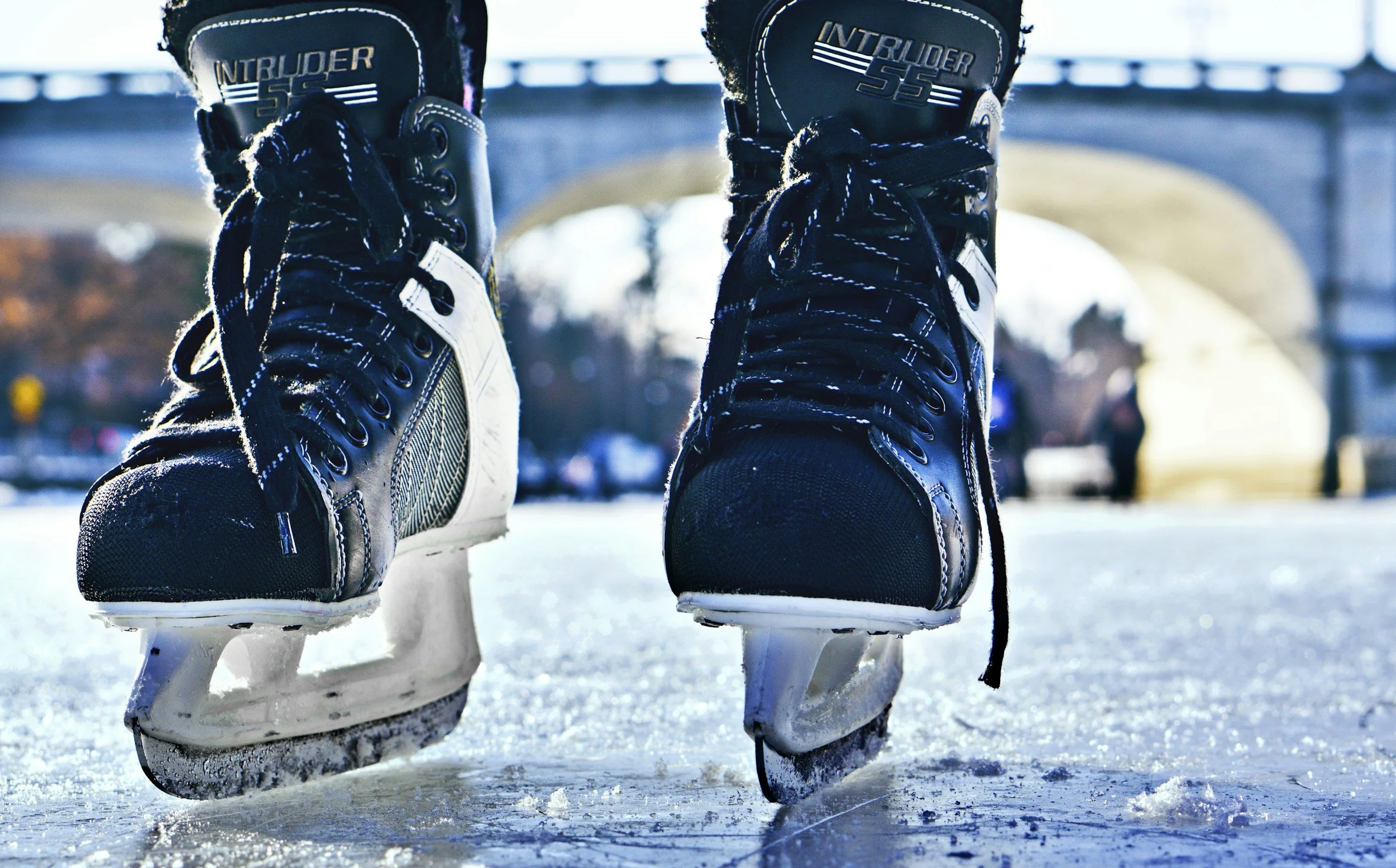
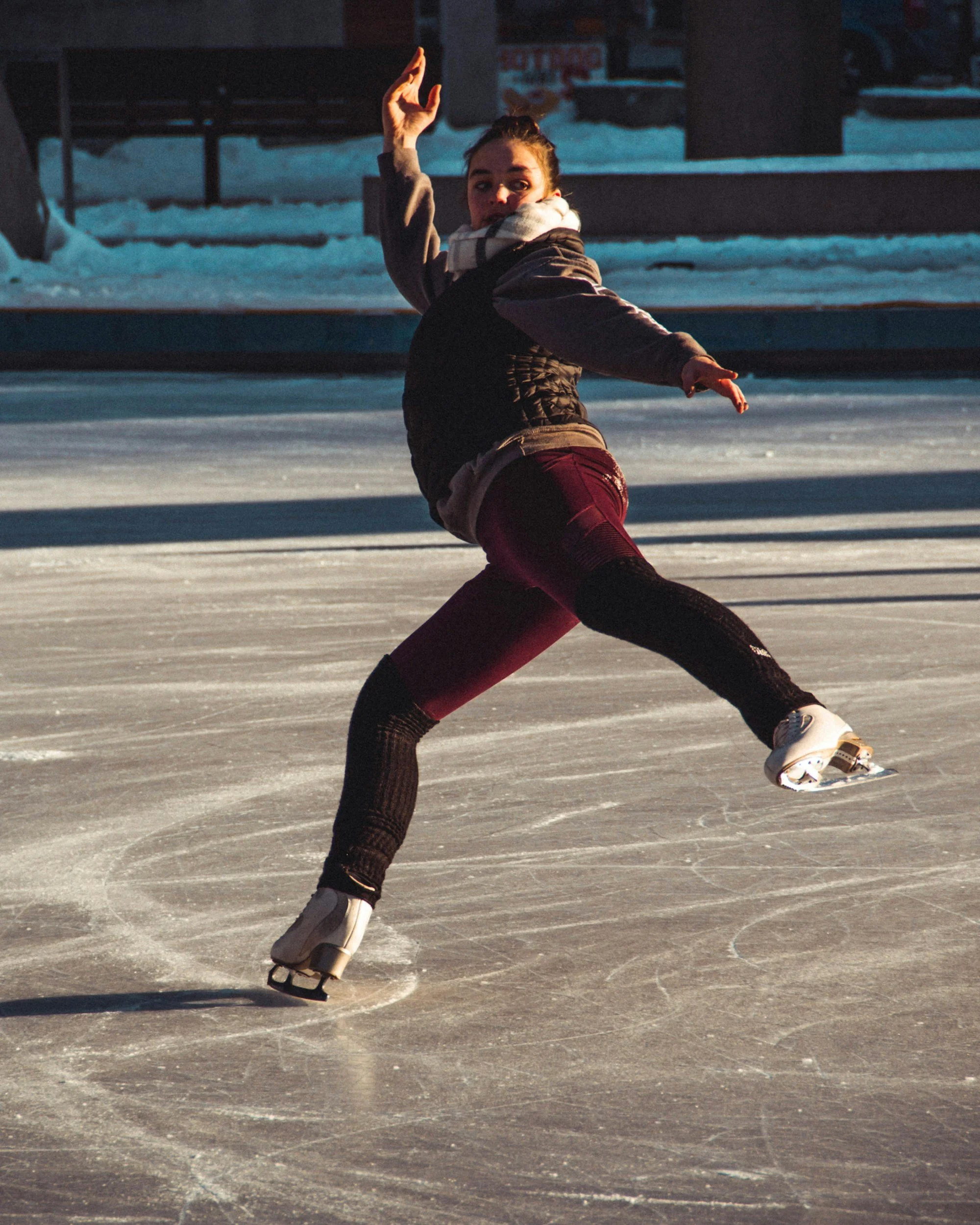
Hockey and skating ask a lot of your hip flexors, inner thighs, glutes, and the muscles along your lower back, all while you hold a crouched, forward-leaning posture.
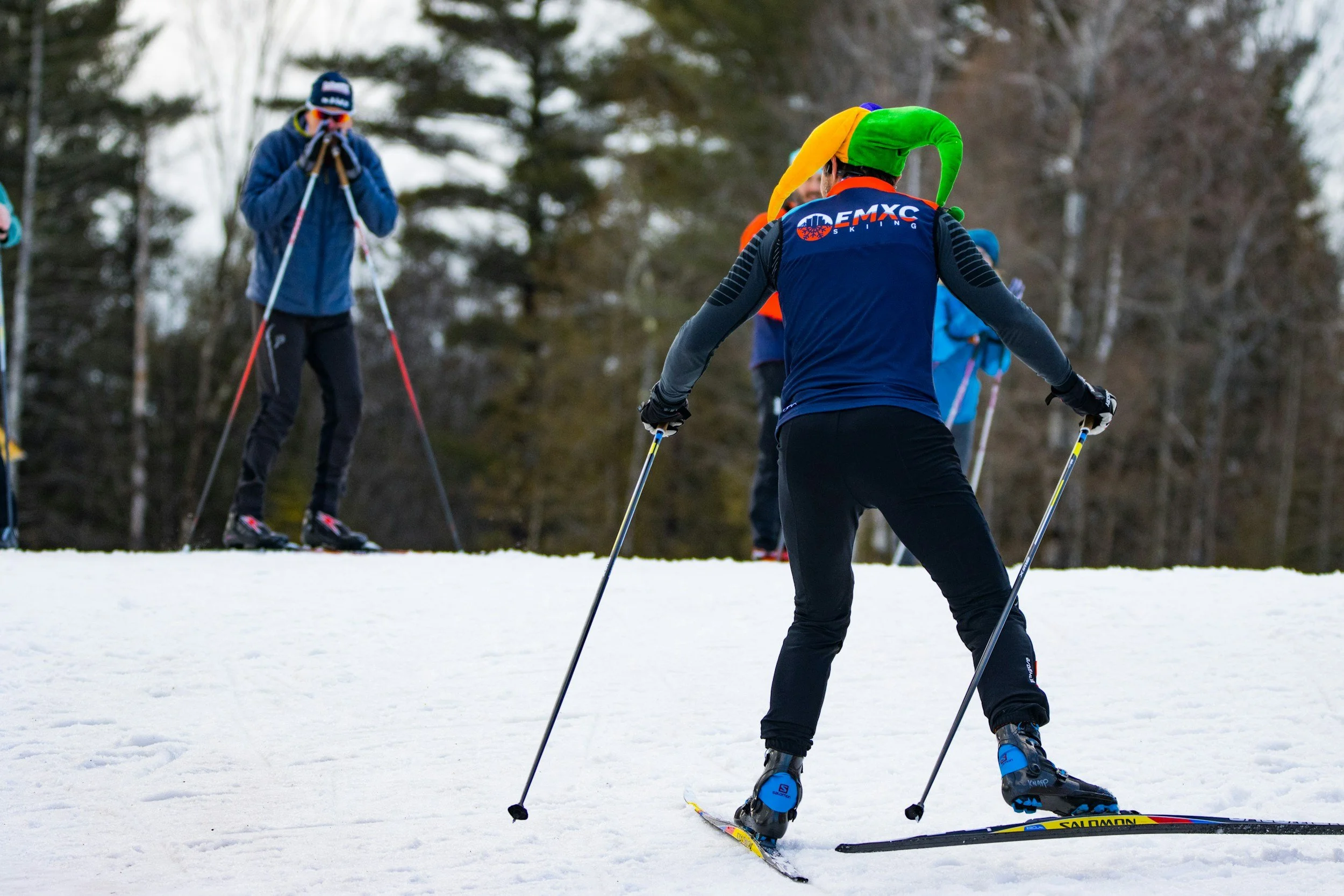
Cross-country skiing works your shoulders, upper back, triceps, and core along with your legs, which surprises many runners who expect only their legs to complain.
Basketball, volleyball, and indoor court sports bring quick stops, jumps, and lateral cuts that load calves, ankles, knees, and hips differently than steady cardio.
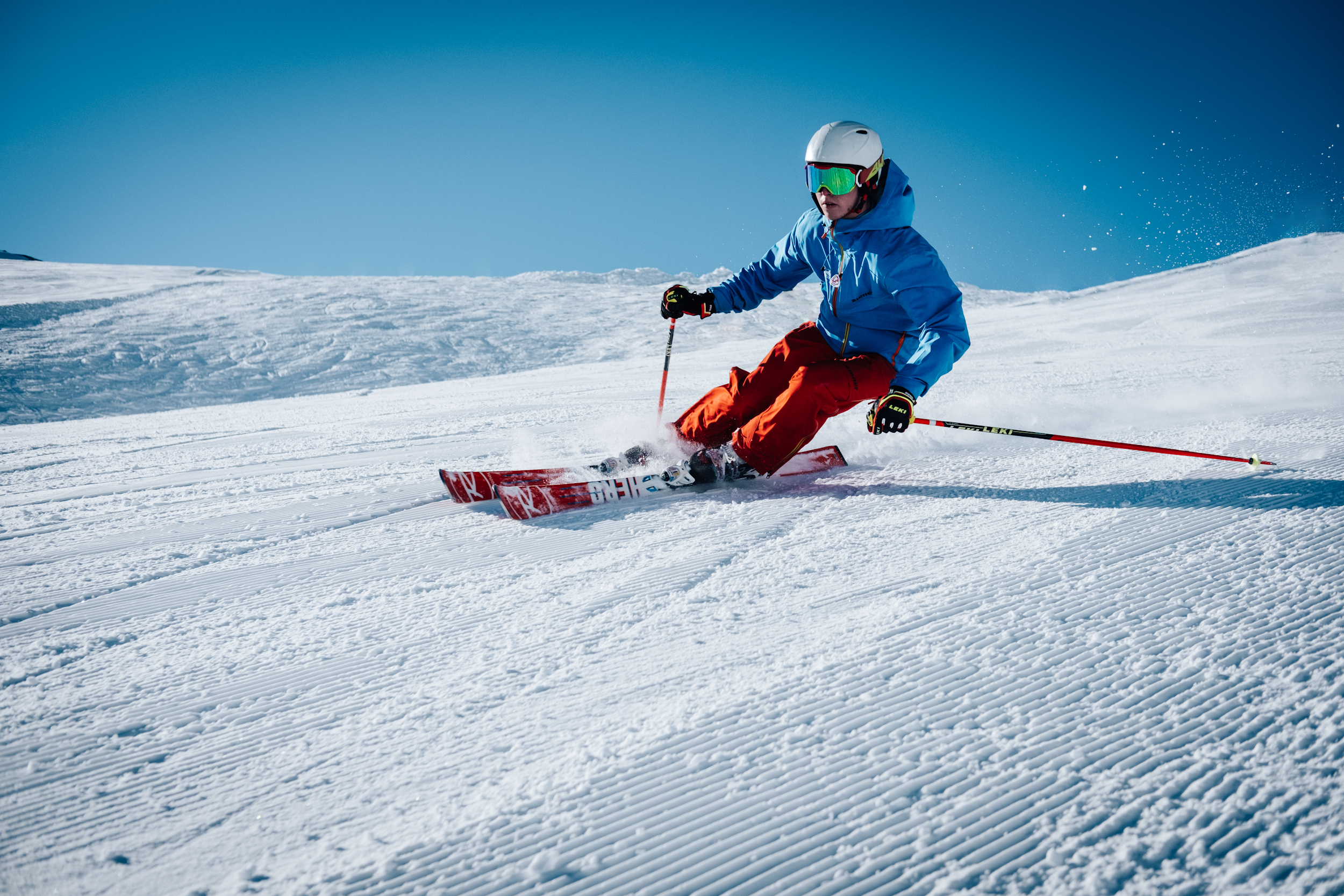
Downhill skiing and snowboarding keep your quads and glutes working in long, sustained holds, often after months without that kind of effort.
When muscles are asked to do new work, they respond with soreness and tightness. That is a normal part of adapting. The trouble starts when the tightness never quite clears before the next game or practice. Tension stacks on tension, your movement gets a little guarded, and small compensations creep in. That is the window where thoughtful bodywork can make the season feel a lot smoother.
What Sports Massage at Gifts of Healing Actually Is
Sports massage at Gifts of Healing is not a generic rubdown. Gailey studied Chinese Sports Massage at the Chinese Olympic Center in Beijing, China, and her approach draws on that training.
Chinese sports massage combines acupressure points along the body's meridians with Tuina massage, a hands-on technique from traditional Chinese practice, to help balance the body's energy, or chi. In everyday terms, you can expect focused, purposeful work on the muscles your sport depends on, paired with pressure on specific points that many athletes find deeply releasing.
Sports massage at Gifts of Healing is designed to:
Support athletic performance
Speed up post-event recovery times
Help you recover from muscle soreness at the beginning of the season
Help you heal faster after injury
How It Compares to Deep Tissue Massage
Sports massage is similar to deep tissue massage in that both focus on the muscles and use oil or lotion. There are two key differences. Sports massage may include stretching, which deep tissue does not, and sports massage follows a timeline built around your training and events. Think of deep tissue as working on what your body is holding, and sports massage as working on what your body is about to do.
What a Session Feels Like
If you have never had a sports massage, the first session usually starts with a conversation. Gailey will ask what sport you play, how often, what feels tight or sore, and whether you have any old injuries that tend to flare up when the season starts. That conversation shapes the whole session, because every sports massage at Gifts of Healing is tailored to your individual body and your sport of choice.
On the table, the work is focused and steady. Expect firm attention on the muscle groups your sport leans on, acupressure on targeted points, and Tuina techniques that move and knead the tissue. Some areas will feel tender, especially in the first week or two of a new season. That is useful information, not something to push through in silence. Let Gailey know when pressure feels right and when it is too much, and she will adjust.
Many sessions include assisted stretching near the end. This is not the forced, bouncing stretch some of us remember from gym class. It is a slow, supported lengthening of muscles that have been working hard, often the hip flexors, hamstrings, calves, and shoulders.
Afterward, most people describe feeling looser and lighter, sometimes a little tired in a good way. Drink water, keep the rest of the day easy if you can, and notice how your body feels at your next practice.
A Simple Early-Season Plan
You do not need a complicated schedule to benefit. Here is a practical framework many recreational and competitive athletes find helpful in the first couple of months of a new season.
Weeks One and Two: Settle In
Book a session after your first few practices or games, once you can feel which muscles are carrying the load. This is when early-season soreness peaks, and it is also when you learn the most about where your body is compensating.
Weeks Three Through Six: Stay Ahead of It
As your body adapts, a session every two to three weeks helps keep tension from stacking up between games. This is often the stretch of the season when small aches either fade or settle in, and regular work helps tip the balance toward fading.
Before and After Big Events
If you have a tournament, a ski race like a loppet, or a championship weekend on the calendar, the timing becomes more specific. Gailey's sports massage timeline, designed around a Saturday event, looks like this:
Wednesday: Thorough muscle work to prepare the tissue
Thursday: Complete rest
Friday: A short, easy workout to wake the muscles up
Saturday: Event day
Sunday: Post-event massage and stretching to help you feel better faster
That rhythm works just as well for a Saturday hockey tournament or a weekend ski race as it does for a marathon.
Choosing Session Length
Sports massage is offered in 60, 90, and 120 minute sessions. Sixty minutes works well for a focused tune-up on one or two problem areas. Ninety minutes gives room to address your whole body plus stretching, which is a good fit for multi-muscle sports like skiing and hockey. Current rates are listed on the pricing page.
Is Sports Massage Right for You?
You do not have to be an elite athlete to book a sports massage. If you play in an adult league, ski on weekends, or chase your kids around a hockey rink and then lace up yourself, this work is built for you.
Sports massage is likely a good fit if:
You feel more sore than usual in the first weeks of a new season
You play the same sport several times a week and notice tightness building up
You have an event or tournament coming up and want to feel ready
You are returning to activity after a minor injury and want support as you ease back in
It may not be the right choice if:
You simply want to unwind and do not want focused muscle work. A relaxation massage may serve you better.
You are dealing with a specific knot or trigger point that keeps referring pain elsewhere. Neuromuscular massage is designed for that.
You have a new, acute injury that has not been evaluated. Check with your doctor first, then talk with Gailey about timing.
Massage is a supportive part of an active life. It does not replace medical care, physical therapy, or proper rest, but it can help your body feel more prepared for the work you ask of it.
How Sports Massage Fits With Other Gifts of Healing Services
Many athletes in Bloomington and across the south Twin Cities use more than one approach over the course of a year. Sports massage carries you through the active season. Deep tissue massage can help with long-held tension in the off-season. And if you notice the same imbalances returning season after season, such as one hip always tighter or one shoulder always higher, Structural Integration looks at how your whole body is organized and may help address the patterns underneath the soreness.
Not sure which is right this month? That is a great question to bring to your appointment. Gailey has more than 26 years of experience and over 1,400 hours of specialized training, and she can help you match the service to what your body needs right now.
Start the Season Feeling Ready
Winter in Minnesota is long, and the athletes who enjoy it most are the ones who take care of their bodies along the way. A little attention in the first weeks of the season can make the months that follow feel easier, stronger, and more fun.
Gifts of Healing is located at 2120 W Old Shakopee Rd #3 in Bloomington, MN, with evening appointments on Tuesdays and Wednesdays until 8pm, which fits nicely around league schedules. New clients receive 20% off their first massage.
To book your sports massage with Gailey, call 952-948-0420 or use the Book Now button on the Gifts of Healing website. Bring your sport, your schedule, and your sore spots. Gailey will take it from there.