The first real snow of the season always shows up the same way. You wake up, look out the window, and the driveway has disappeared. By the time you reach the end of it, the city plow has left a heavy, packed ridge right where you need to get out. You dig in, lift, twist, throw, and repeat a few hundred times before you finally make it to work.
That evening, things feel fine. The next morning is a different story. Your neck will not turn all the way to the left. There is a hot, stubborn knot between your shoulder blades. Your lower back feels tight every time you bend to put on your boots, and somehow your forearms ache too.
If that sounds familiar, you are not alone. Every winter in Bloomington and across the south Twin Cities, shoveling sends people into the next week carrying tension they did not have before the storm. The good news is that this kind of strain is exactly what neuromuscular massage is designed to address.
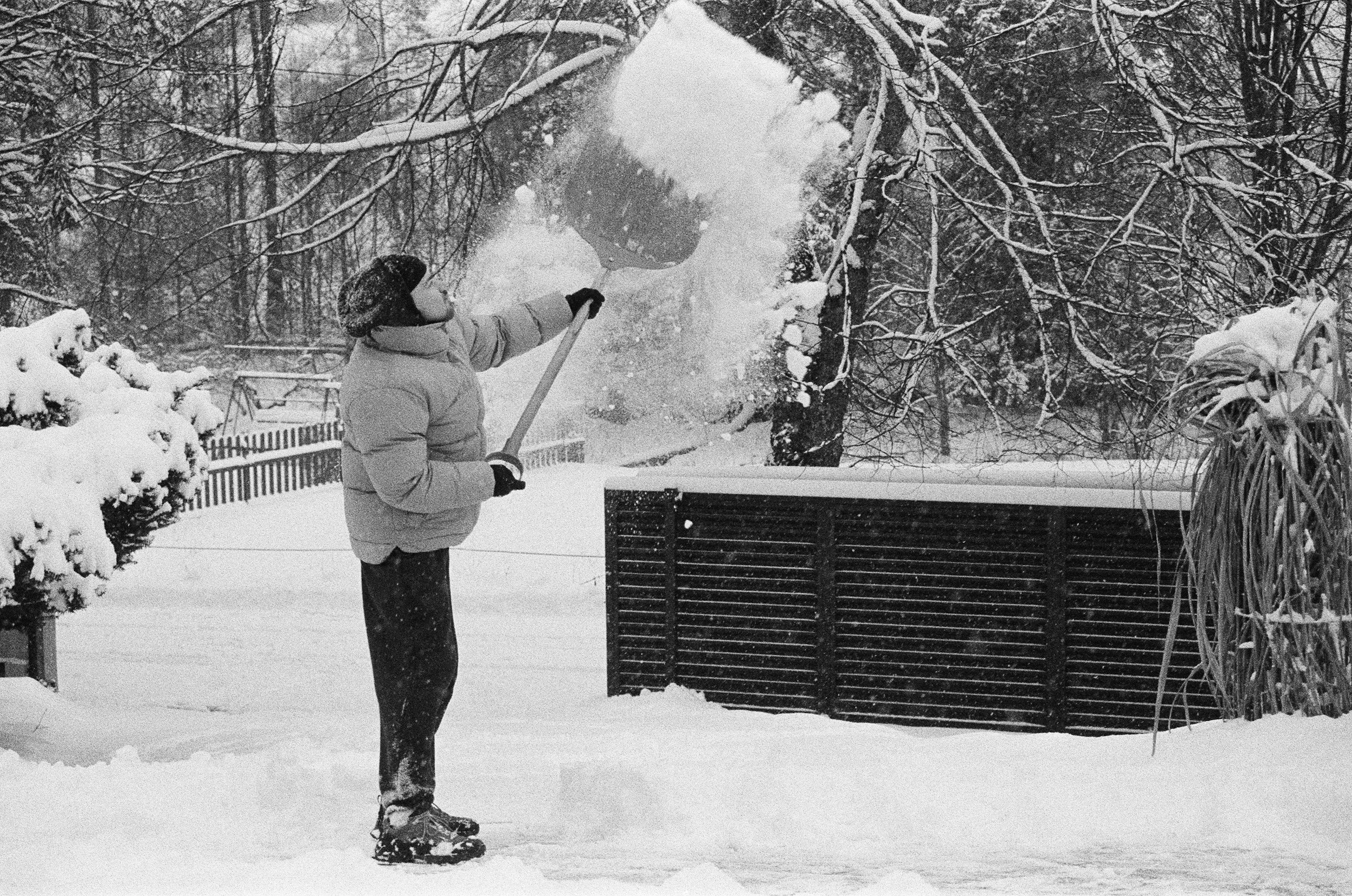
Why Shoveling Is So Hard on Your Body
Shoveling looks simple, but it asks your body to do something it rarely does the rest of the year: lift a heavy, awkward load with your arms extended, rotate through your spine, and do it over and over without a break. Many of us go straight from a warm kitchen into the cold, with stiff muscles and no warm-up.
The Shoveling Pattern
A typical driveway session combines several stresses at once:
Repetition. Hundreds of nearly identical scoop, lift, and throw motions in a short window.
Load far from the body. A shovel full of wet snow held at arm's length multiplies the effort your back and shoulders have to make.
Twisting while lifting. Tossing snow to the side while your feet stay planted puts your lower back and the muscles along your ribs in a vulnerable position.
Cold tissue. Muscles that have not warmed up are less pliable and more likely to tighten in self-protection.
One-sided habits. Most people shovel and throw to the same side every time, so one half of the body does far more work.
Neuromuscular massage is especially helpful for repetitive stress and other biomechanical issues that pull the soft tissue into abnormal movement patterns. Shoveling is a textbook example, and it happens across much of Minnesota at the same time every winter.
What Happens Inside a Strained Muscle
When a muscle is overworked, some of its fibers can contract and refuse to fully let go. That tight, contracted spot is what most people call a knot, and what massage therapists call a trigger point.
A muscle that stays in spasm tends to receive less oxygen and circulation than it needs, which can make it more sore and more stubborn. Contracted tissue can also press on nearby nerves, which is why pain from one spot often shows up somewhere else. A knot near the top of your shoulder, for example, may send an ache up the side of your neck and into your head.
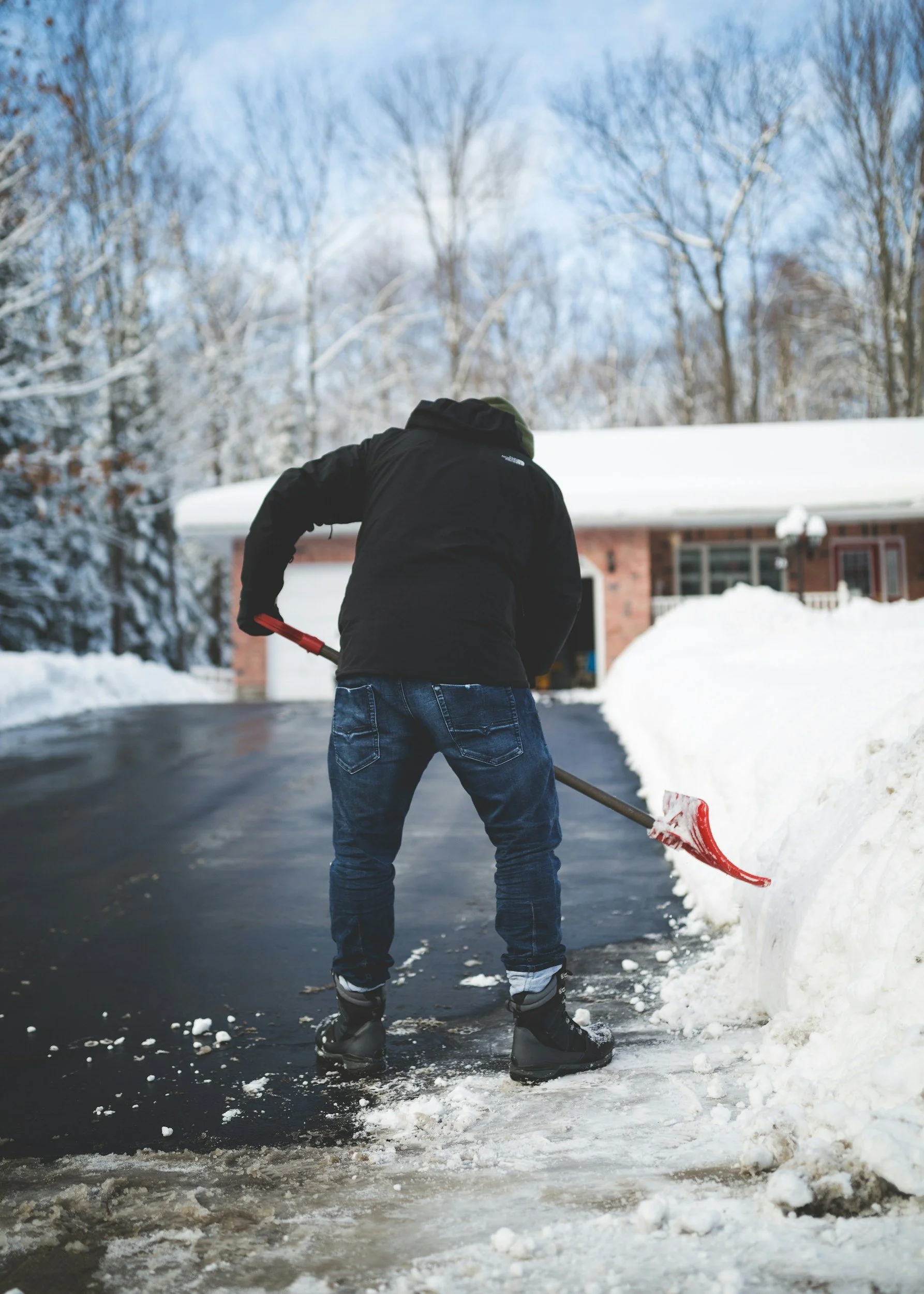
Common Shoveling Hotspots
After a big storm, these are the areas that tend to complain the most:
The tops of the shoulders and the back of the neck, from holding and lifting the shovel.
Between the shoulder blades, from repeatedly reaching forward and pulling back.
The lower back, especially on one side, from bending and twisting.
The hips and glutes, which work hard to stabilize you on slippery ground.
The forearms and hands, from gripping a cold handle for a long time.
These muscles often protect each other. When your lower back is guarding, your hips may tighten to help, and your shoulders may pick up the slack. That chain reaction is one reason shoveling soreness can linger long after the snow has melted.
How Neuromuscular Massage Works on Shoveling Strain
Neuromuscular massage, also called myosequencing or neuromuscular therapy, focuses on those contracted spots rather than simply working the surface of the muscle. Gailey applies alternating levels of concentrated pressure to the tight tissue. That pressure sequence is designed to match the way healthy muscles naturally fire as they move, which helps "reprogram" the spasmed area to work properly again.
Because the work goes after the pattern behind the tension, not just the feeling of tightness, many clients find that neuromuscular massage provides longer-lasting results than traditional massage alone. That matters in winter, when another storm may be only a few days away and you would rather not start each one already sore.
Neuromuscular work is also flexible. Gailey often combines myosequencing with other massage techniques in the same session, so your appointment is shaped around what your body is carrying that particular week.
What a Session Actually Feels Like
If you have never had neuromuscular massage, here is what you can expect at Gifts of Healing:
A short conversation first. Gailey will ask where you feel tension, when it started, and what movements make it worse. Telling her "I shoveled the whole driveway on Saturday" is genuinely helpful information.
Warm-up work. The session usually begins with broader strokes to warm the tissue and help your body settle.
Focused pressure on trigger points. When Gailey finds a contracted spot, she applies steady, specific pressure in a sequence. You may feel a "good hurt," or notice the sensation travel to another area. That travel is often a sign she has found the source.
Ongoing communication. You are always welcome to ask for more or less pressure. The goal is a release, not bracing through discomfort.
Gentle finishing work. The session closes with work that helps the treated area feel integrated and calm.
Afterward, many people notice that they can turn their head more freely or bend without the same catch in their back. Some mild tenderness for a day is normal, similar to the feeling after a good workout. Drinking water and taking an easy walk can help.
Is Neuromuscular Massage Right for You?
Neuromuscular massage tends to be a good fit if you:
Feel a specific knot or tight band that keeps coming back after shoveling or other repetitive chores
Notice pain that seems to spread, such as shoulder tension that turns into a headache
Have posture-related tension that winter activity makes worse
Have tried general massage and want work that is more targeted
It may not be the right first step if you are looking purely for a calm, restful hour. In that case, a relaxation massage may suit you better, and you can always explore targeted work later.
A word of care: massage supports recovery from muscle strain, but it does not replace medical attention. If you experience chest pain, shortness of breath, dizziness, numbness, sudden severe back pain, or pain after a hard fall, please contact your doctor first. Once you have been cleared, Gailey is happy to talk with you about how bodywork can support your recovery.
How It Fits With the Other Services at Gifts of Healing
Gailey has more than 26 years of experience and over 1,400 hours of specialized training, so she can match the technique to what your body needs.
Deep tissue massage works on the deeper layers of muscle and can be a good partner when soreness feels broad and heavy rather than pinpointed.
Connective tissue massage addresses the fascia, the thin wrapping around every muscle. If you slipped on the ice while shoveling, or your tension feels stuck in a way that regular massage does not reach, this approach may help.
Structural Integration is worth considering if seasonal strain is layered on top of long-standing posture patterns you would like to change at the root.
Not sure which to choose? You do not have to decide alone. Describe what you are feeling when you book, and Gailey will help you find the right approach.
How Often to Come During Snow Season
There is no single schedule that works for everyone, but a few patterns work well for winter:
After a big storm: A session within a few days of heavy shoveling can help address trigger points before they settle into a longer-lasting pattern.
During a snowy stretch: If you are shoveling often, every two to three weeks can help keep tension from building storm after storm.
As ongoing care: Many clients book monthly through the winter and adjust in spring.
Gifts of Healing is open until 8 PM on Tuesdays and Wednesdays, which makes it easier to fit an appointment in after a long day of digging out.
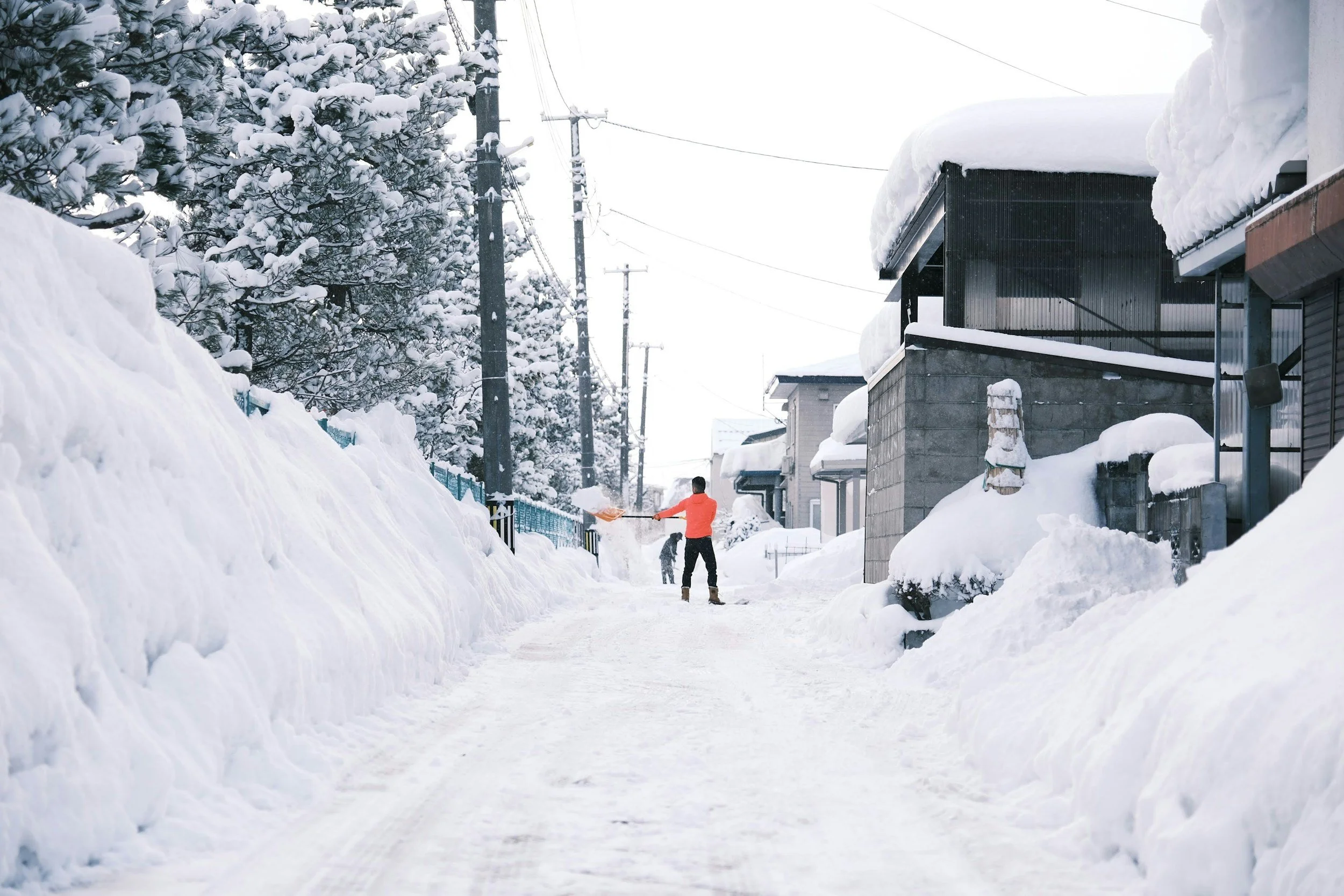
Helping Your Body Between Storms
Massage works best alongside a few simple habits:
Warm up for a few minutes with arm circles, marching in place, or gentle trunk rotations before heading out.
Push snow when you can, rather than lifting it.
Take smaller scoops, especially with heavy, wet snow.
Bend at your hips and knees and keep the shovel close to your body.
Turn your feet toward where you are throwing instead of twisting your spine.
Switch sides regularly so one half of your body is not doing all the work.
Take short breaks and drink water, even in the cold.
Book Your Session Before the Next Storm
Minnesota winters are long, and your body does not have to carry every storm into the next one. Whether you are recovering from this weekend's driveway or want to stay ahead of the season, Gailey Westlund at Gifts of Healing in Bloomington is here to help you move more comfortably.
Call 952-948-0420 or use the Book Now button to schedule online. If you are new to Gifts of Healing, take a look at the new customer discount before you book. We look forward to helping you feel like yourself again, one snowfall at a time.