Still Braced for Impact: How Connective Tissue Massage Helps the Body Let Go After Whiplash, a Car Accident, or a Fall
The paperwork is done. The car is fixed or replaced. Your doctor cleared you weeks ago and the X-rays were fine. On paper, the accident is over.
Your body did not get the memo. You still turn your head to check a blind spot and stop short, because something in your neck says no. You still sleep on one side only. You catch yourself sitting with one shoulder riding higher than the other, jaw a little tight, breath a little shallow. Nothing is broken, and yet nothing moves quite the way it did before.
This is one of the most common and most under-treated situations in bodywork: not the injury itself, but the holding pattern the injury left behind. It is exactly what connective tissue massage at Gifts of Healing in Bloomington is built to address.
What actually happens to your tissue in a sudden impact
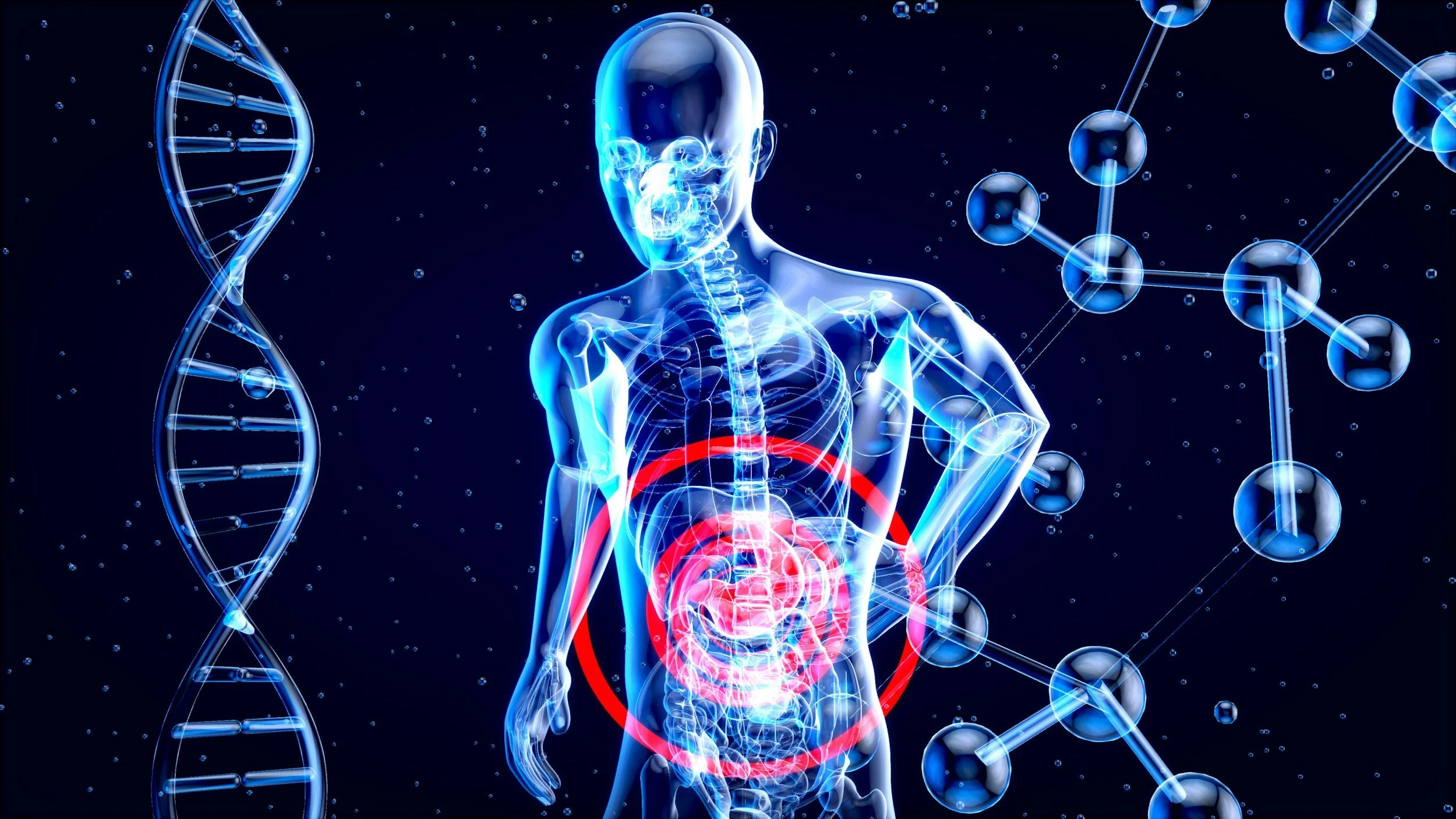
In a rear-end collision, a slip on an icy Minnesota sidewalk, or a fall down the last two stairs, your body does something remarkably intelligent in a fraction of a second. It braces. Muscles fire to protect the spine and the joints. That reflex is protective in the moment.
The problem is what happens afterward. The muscles usually calm down within days or weeks. The fascia often does not.
Fascia is a thin connective tissue that wraps around every muscle and internal organ in your body, connecting the individual parts into one cohesive whole. The service page uses an image worth borrowing: fascia is like the one long, continuous strand of yarn in a sweater. Pull hard on one spot and the tension does not stay there. It travels.
After trauma, fascia can thicken and stick to itself in what are called fascial adhesions. Over time those adhesions restrict movement and cause pain, exerting up to 2,000 pounds of pressure per square inch. That is why a person who was hit from behind can end up with hip pain a year later and never connect the two events. The tug in the sweater moved.
Why "the scan was clean" and "I still hurt" can both be true
Imaging is very good at finding fractures, disc damage, and tears. It is not designed to show a fascial restriction. So it is entirely possible, and extremely common, to be medically cleared and still be genuinely limited.
Massage is not a substitute for medical care, and Gailey will always encourage you to keep working with your physician, chiropractor, or physical therapist as needed. But when the medical picture is stable and the stiffness persists, the missing piece is often connective tissue rather than muscle or bone.
The service page names this population directly. Connective tissue massage addresses tension in the fascia caused by physical trauma including whiplash, a car accident, or a fall, as well as emotional trauma, injury, and habitual movement or postural patterns. It is also the go-to when pain and tension are not relieved through regular deep tissue massage.
Muscle work versus fascial work
If you have already tried massage after your accident and gotten only short-lived relief, this distinction matters.
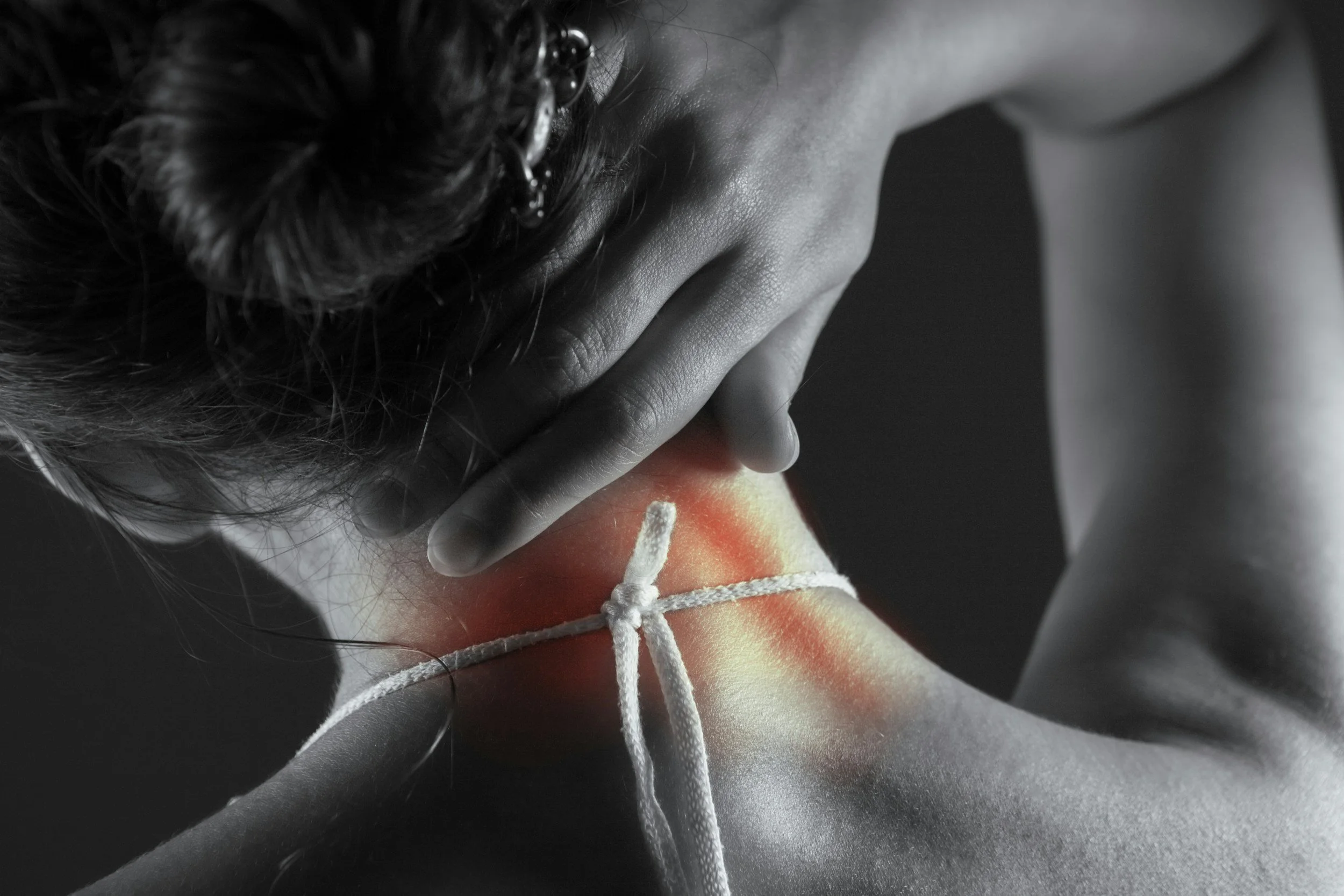
Muscle-focused work softens the contracted tissue and feels wonderful, but if the surrounding fascia is still adhered, the muscle gets pulled back into the old shape within days.
Connective tissue work uses myofascial therapy, meaning muscle traction, pressure, and specialized stretching, to release the restriction itself. When the fascia returns to its normal, flexible state, muscles and organs can function normally again, which produces pain relief and improved range of motion.
That is the reason relief tends to last longer. You are not chasing the symptom around the body. You are changing the container it lives in.
If you want the comparison in more detail, the practice has written about how connective tissue work differs from other modalities and about what therapeutic massage covers overall.
What a post-accident session actually feels like
First, expect a conversation. Gailey will ask what happened, when, how you were positioned at the time of impact, what your doctor has said, what movements you now avoid, and where you sleep uncomfortably. The direction of the force matters, because the pattern it left behind usually follows it.
Then expect slower work than you may be used to. Connective tissue technique is not fast, rhythmic stroking. It is sustained, patient pressure with traction and stretch, held long enough for the tissue to respond. Clients often describe it as a deep stretch happening under the skin, sometimes with a warm spreading sensation as an area releases.
A few things are normal:
Sensation that is strong but tolerable. Pressure should never make you brace or hold your breath. Say so if it does, and it will be adjusted.
Working somewhere other than where it hurts. Because tension refers along the fascial line, the release for your neck may be found in your upper back, ribs, or hip.
A day or two of mild soreness afterward, similar to the day after honest exercise.
Feeling taller, looser, or oddly asymmetrical for a few hours while your body recalibrates around its new range.
Some people also notice an emotional component. Bodies that braced hard sometimes let go with a sigh, a wave of fatigue, or unexpected relief. That is a normal part of the process and nothing to manage or explain.

Who this is right for, and who should wait
Connective tissue massage tends to be a strong fit if you:
Were in a collision or had a significant fall and still have restricted range of motion months later
Have limited joint mobility following surgery or injury
Have chronic muscle and joint pain that regular deep tissue work eases only briefly
Have gradually adopted a protective posture, favoring one side or guarding one shoulder
Feel pain in a place that seems unrelated to where you were hurt
It is not the right starting point if you are in the acute phase, meaning still very inflamed, freshly injured, or not yet evaluated. Get seen first. If you have a fracture, an unstable joint, a blood clotting condition, or you are on medication that affects bleeding or bruising, tell Gailey before booking so the plan can be adjusted or postponed. In some cases, a gentler relaxation massage is the better bridge until the tissue is ready for deeper work.
How often, and where it can lead
Post-trauma patterns are usually layered, which means one session rarely finishes the story. A common rhythm is every one to two weeks for the first four to six sessions, while the tissue is actively changing, then spacing out to monthly or seasonal maintenance once your range holds between visits.
Progress is easier to see if you track function rather than pain alone. How far can you rotate your head before it catches? Can you sleep on the other side yet? Can you reach the seatbelt without twisting your whole torso? Those markers move before the ache fully disappears.
If the restriction turns out to be widespread rather than local, the natural next step is Structural Integration. Clients who get real relief from connective tissue work, or who would benefit from all-over fascial release, are often good candidates for the 10-Series, which works through the whole body in a planned sequence rather than one region at a time.

A note on the long tail of small accidents
Not every case starts with an ambulance. Plenty of the holding patterns Gailey sees came from a fender bender at a stoplight in Richfield, a fall on a driveway in Edina, or a misjudged step on a Bloomington curb. The event felt minor. Everyone told you to shake it off. Two years later your neck still runs the show.
If that is you, the accident being small does not make the pattern small. It just made it easy to ignore.
Ready to stop bracing
Gailey Westlund has been practicing therapeutic bodywork since 1999, with more than 26,000 massages and 1,400 hours of specialized training behind her. She is a Certified Structural Integration Practitioner and a sole practitioner, which means the person who takes your history is the same person working with you at every visit, tracking how your body is changing over months rather than starting over each time.
If you have been medically cleared but still feel held together in a way you cannot quite stretch out, come in and let's look at the tissue itself.
Call 952-948-0420 or book online. Gifts of Healing is at 2120 W Old Shakopee Rd #3 in Bloomington, MN, serving clients across the south Twin Cities metro. Evening appointments are available Tuesday and Wednesday until 8pm.
Life happens. Therapeutic massage makes it better.