A Better Measure of Relief: How to Tell Whether Deep Tissue Massage Is Helping You
You get up from the massage table, roll your shoulders, and notice that something feels different. But by the next afternoon, when you are back at your desk or carrying groceries inside, you may find yourself wondering how to judge the result.
Should your muscles feel completely different? Does a stronger session mean you received better work? And if some familiar tension returns, does that mean the massage did not help?
Instead of making pressure or immediate relief the whole story, consider a more practical question: what feels easier in your everyday life? This guide offers a simple way to approach deep tissue massage, communicate what you need, and notice what happens between appointments.
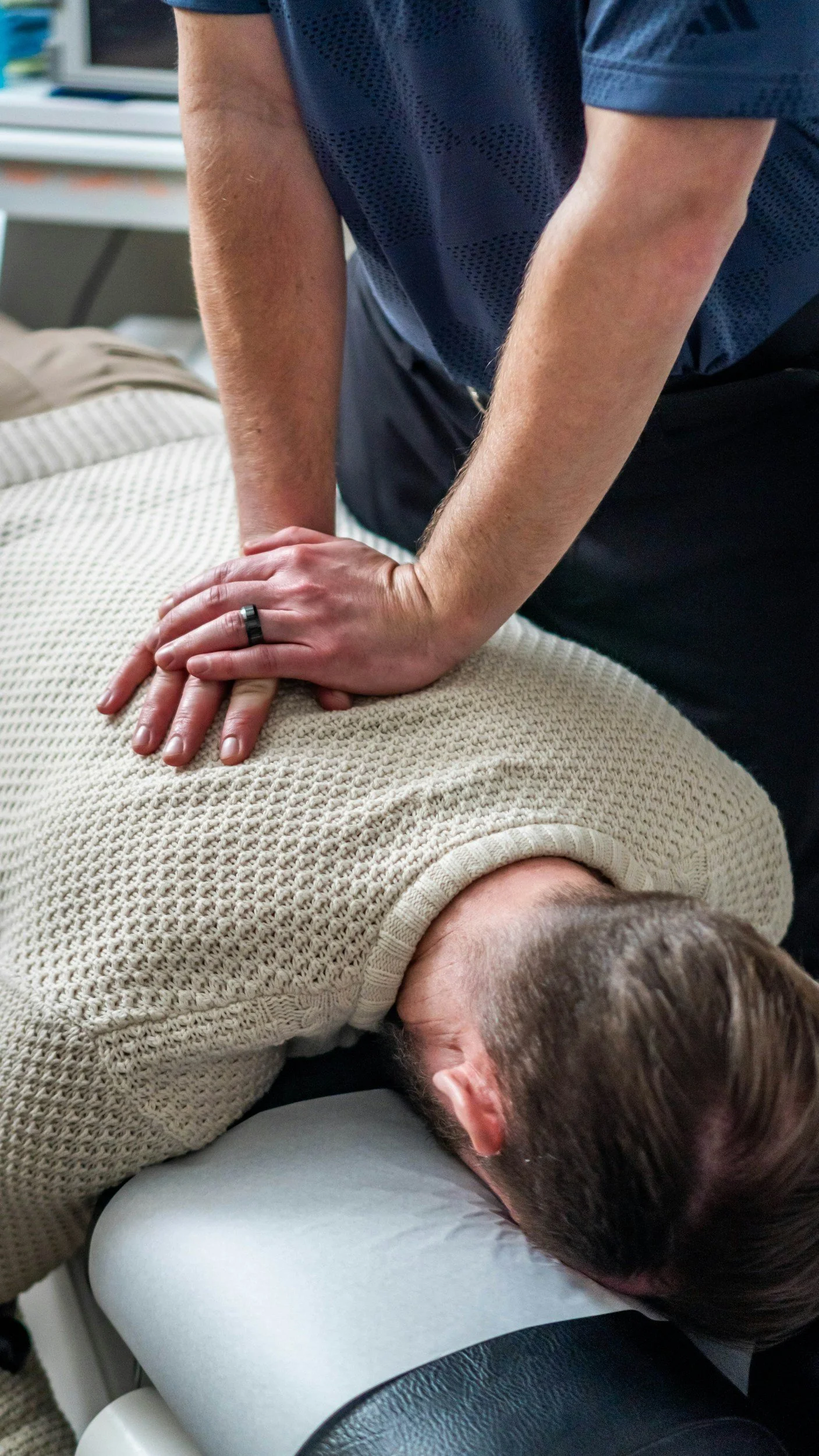
Start With Something You Want to Do More Comfortably
“Less tension” is a reasonable goal, but it can be difficult to evaluate. Before your appointment, try connecting that goal to one ordinary activity.
Perhaps you want to sit through dinner without repeatedly shifting your shoulders. Maybe you would like your usual walk to feel more comfortable, or you want to finish an afternoon at your desk without constantly rubbing the same spot.
At Gifts of Healing in Bloomington, MN, deep tissue massage is offered for concerns including chronic muscle tension, stiffness, and limited range of motion. Rather than arriving with a diagnosis of your own, bring a description of what you notice.
Useful starting points include:
The activity: What are you doing when the discomfort becomes noticeable?
The timing: Does it bother you first thing in the morning, toward evening, or after a particular task?
The location: Can you describe the area without needing to name the muscle?
The desired change: What would make an ordinary day feel a little easier?
Choose one or two priorities rather than trying to evaluate every sensation in your body. The aim is not to create homework. It is to give your appointment a clear purpose.
Know What Deep Tissue Work Involves
Gifts of Healing describes its deep tissue approach as firm pressure, lubricant, and slow strokes applied to the muscles to encourage relaxation, with customized stretching or self-care guidance offered when appropriate.
Think of those words as a starting point for a conversation, not a requirement to accept a particular level of intensity. Ask Gailey to explain what she is doing, tell her what feels comfortable, and request a change whenever you need one.
During the appointment, pay attention to your experience rather than trying to be a “good massage client.” If you notice yourself holding your breath, gripping the table, or waiting for a technique to end, say so.
You might use phrases such as:
“That area feels more sensitive than I expected.”
“Could we try a little less pressure?”
“I would like to pause before continuing.”
“This feels comfortable, but the other spot did not.”
You do not need technical language to give useful feedback. A clear description of your experience is enough.
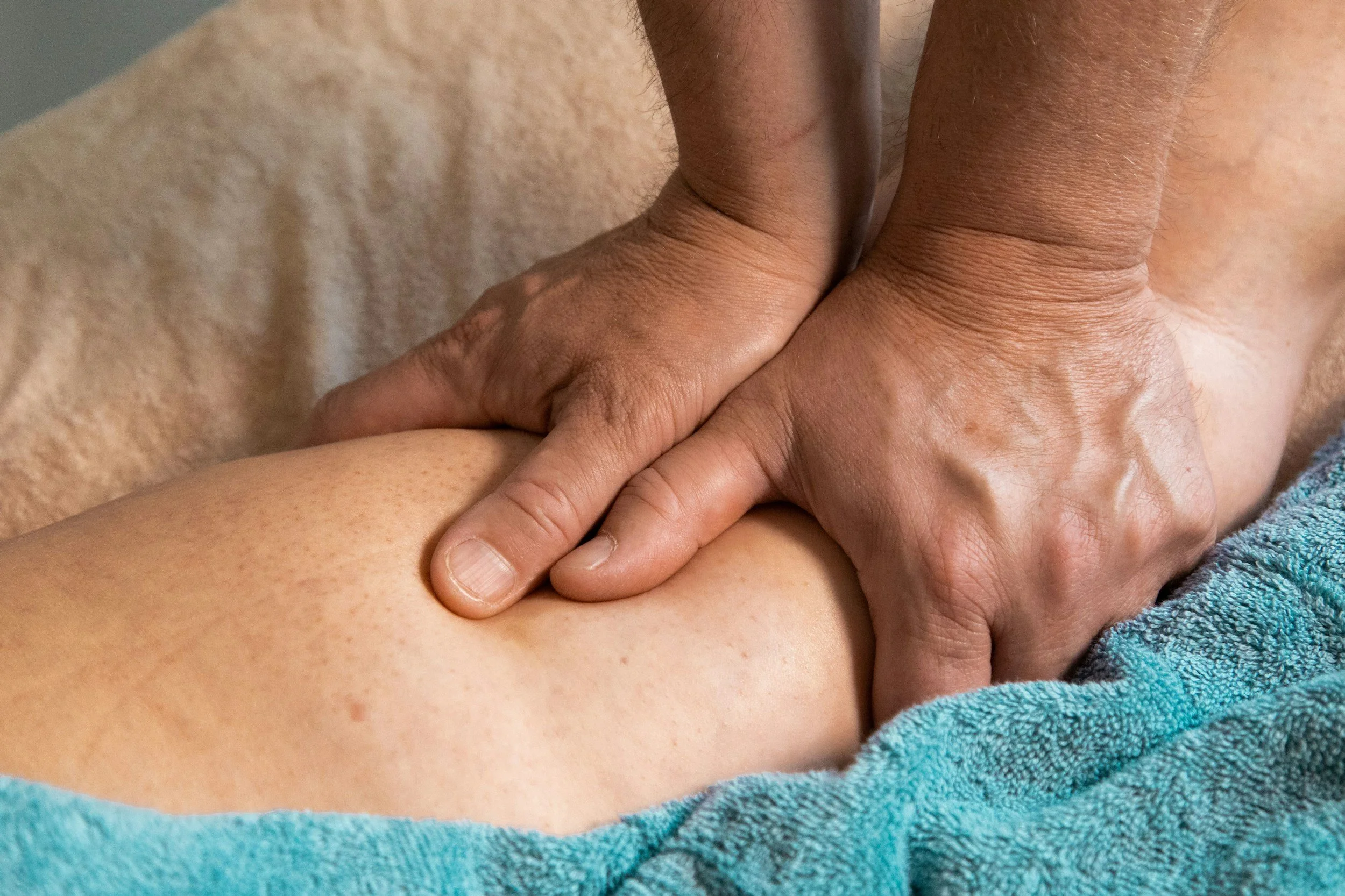
Look Beyond How You Feel on the Table
Give yourself permission to evaluate the appointment after you return to normal life. You do not have to decide whether it was helpful before you leave the room.
Choose a few familiar moments to check in with yourself. Keep the observations brief and avoid repeatedly testing a tender area.
Notice an everyday movement
Return to the activity you identified before the appointment. During your usual routine, ask whether it feels easier, unchanged, or less comfortable.
For example, you might notice how you feel during a normal walk or while reaching for something on a shelf. Do not force a stretch or push into discomfort just to see how far you can go.
Notice how much attention the area demands
Consider whether you are thinking about the same tight spot as often. Are you still interrupting every task to rub your shoulder, or have you gone through part of the afternoon without focusing on it?
Treat the answer as an observation rather than proof of a particular physical change. It is something useful to discuss at your next appointment.

Notice how long any change lasts
If you feel more comfortable after the session, make a brief note of when familiar tension returns. Include what you were doing that day, without assuming the activity caused it.
A simple record might read: “Shoulders felt easier that evening. Similar to usual after a long afternoon at the computer the next day.” That gives you more to work with than “It helped” or “It did not.”
Make the Time Between Visits Part of the Conversation
You do not need a complicated wellness routine to participate in your care. Start by asking what, if anything, would be useful to do between appointments.
Gifts of Healing’s deep tissue service may include customized stretching and self-care suggestions intended to support comfort between sessions. Ask for guidance that fits your schedule and that you understand well enough to follow without guessing.
Before leaving, consider asking:
Priorities: “If I only remember one suggestion, which should it be?”
Technique: “Can you show me that movement again?”
Comfort: “What should I do if this does not feel right?”
Follow-up: “What would you like me to notice before we meet again?”
Avoid turning the days after your appointment into a test of discipline. If a suggestion is confusing, uncomfortable, or impractical, bring that information back.
The same applies to your observations about the massage itself. If you experienced no useful change, say so plainly. Honest feedback is more valuable than reporting improvement because you think that is the expected answer.

Choose Follow-Up Care Based on Your Experience
There is no need to decide on a long-term schedule before you know how an appointment feels to you. Ask Gailey what she recommends for your goals, then discuss how that recommendation fits your response, availability, and budget.
For an initial visit, consider treating the appointment as the beginning of a conversation. Identify your priorities, experience the work, and review what you notice afterward.
At a follow-up, questions worth discussing include:
Did the original activity become more comfortable?
Was the pressure appropriate throughout the session?
Did any part of the appointment leave you concerned?
Were the self-care suggestions manageable?
Does the next session need a different focus?
Do not use soreness as your personal scorecard for whether the visit was worthwhile. Focus instead on comfort, everyday activity, and whether the approach feels appropriate for you.
If the pattern is repeated appointments without meaningful benefit, ask to reassess rather than simply requesting stronger pressure. You can also discuss whether a healthcare evaluation would be more appropriate.
Know When Another Approach Makes More Sense
You do not have to choose deep tissue massage to justify making time for yourself. Start with the experience you want and the concerns you would like to discuss.
If you prefer lighter work or your main priority is time to unwind, Gifts of Healing’s relaxation massage uses light-to-medium pressure, slow strokes, and gentle therapeutic techniques for individual problem areas. That is a different option to discuss, not a lesser version of care.
For a more focused conversation about contracted muscle tissue or recurring areas of tension, neuromuscular massage uses alternating levels of concentrated pressure and may be combined with other techniques. You do not need to identify the correct modality on your own before asking for guidance.
There are also times when the next step should be medical advice rather than massage. The National Center for Complementary and Integrative Health advises against using massage to postpone medical evaluation and recommends consulting a healthcare provider if you are unsure whether massage is appropriate.
Massage is not risk-free, and rare serious injuries have been reported, including with vigorous techniques such as deep tissue massage. Share relevant health information before the appointment and ask whether any precautions or medical guidance are needed.

Bring Your Everyday Goals to Your Next Appointment
You do not need to arrive knowing which muscle is involved, how much pressure to request, or how many appointments you will need. A useful beginning is simply: “Here is what has been bothering me, and here is what I would like to do more comfortably.”
For readers in Bloomington and the south Twin Cities, let that be the focus of the conversation. Ask questions, speak up during the session, and give yourself room to notice the result without expecting a dramatic transformation.
Gailey Westlund offers therapeutic massage and Structural Integration at Gifts of Healing in Bloomington, MN. To discuss an appointment, call 952-948-0420 or use the website’s Book Now option.
You do not have to prove how much pressure you can tolerate. Start with what you need, and make your experience part of the plan.