The Breath-Body Connection: How Structural Integration Opens Your Ribcage and Restores Natural Breathing
Most of us take breathing for granted. It is the one bodily function that operates on autopilot from the moment we are born, and because it is so automatic, we rarely stop to consider whether we are doing it well. But if you have ever felt like you cannot quite catch a full breath after a long day at your desk, or noticed that your shoulders ride up near your ears when you are stressed, your ribcage may be telling you something important: your fascia is holding your breath hostage.
At Gifts of Healing Inc. in Bloomington, MN, we see this pattern every day. Clients arrive complaining of tight shoulders, stiff necks, lower back tension, or a vague sense that they are not getting enough air. Often, the root cause is not in the lungs themselves, but in the fascial web surrounding the ribcage, spine, and pelvis. This is exactly where Structural Integration shines.

When the Ribcage Gets Stuck
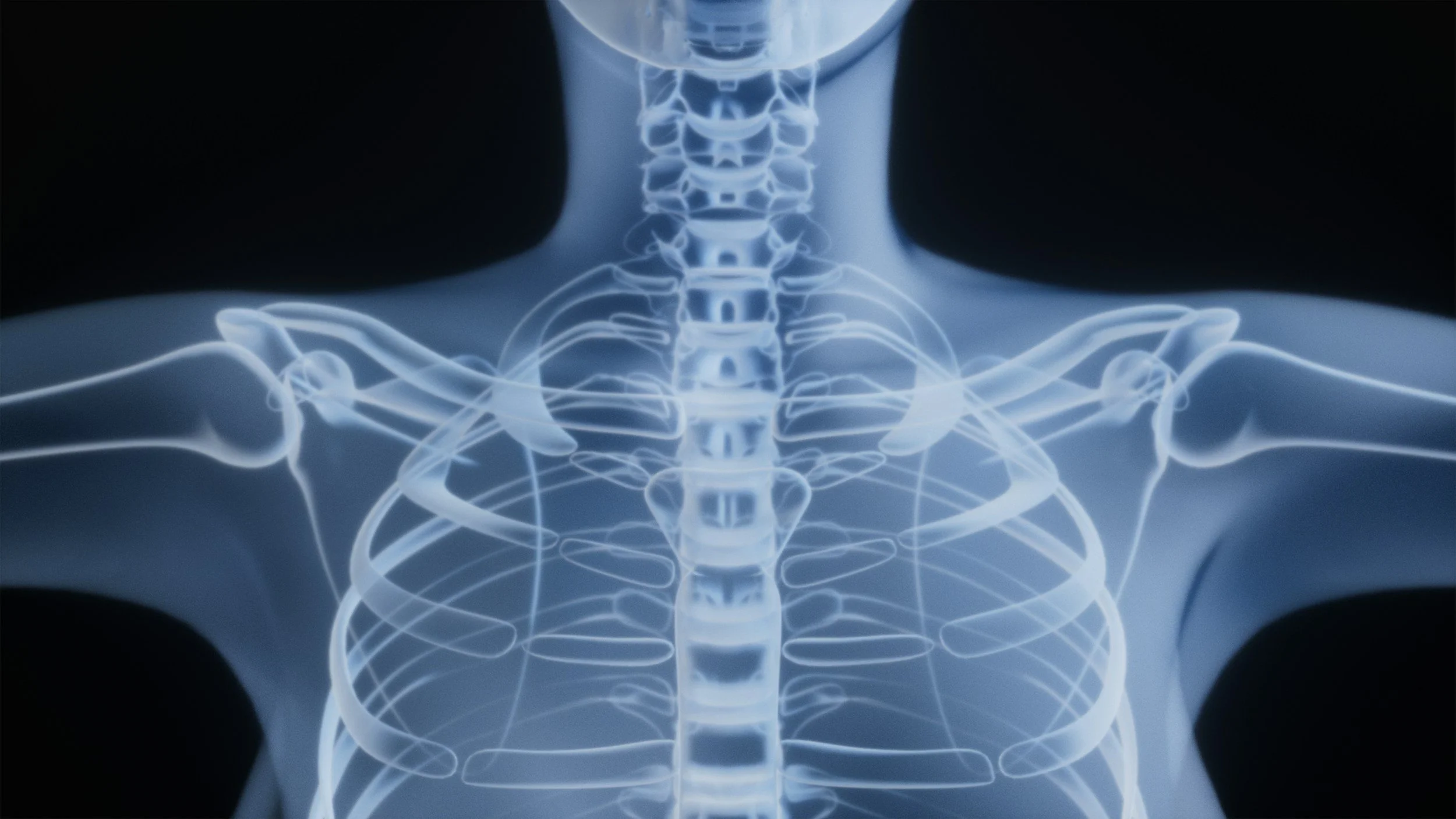
Modern life does not favor free breathing. Hours of sitting, whether in a car during a Minneapolis commute or at a workstation in a Bloomington office, gradually train the body to collapse forward. The ribcage compresses. The diaphragm loses its dome like shape. The shoulders roll inward. Over time, the connective tissue (fascia) adapts to this folded position and literally cements it into place. What started as a temporary posture becomes a permanent structure.
The result is shallow, upper chest breathing. Instead of the diaphragm expanding downward and the ribs moving outward like the wings of a bird, the body recruits the neck and shoulder muscles to pull air in. This is inefficient, exhausting, and it creates a cascade of compensations. Neck tension leads to headaches. Shoulder strain restricts arm movement. A compressed ribcage changes the mechanical relationship between the upper and lower body, often contributing to lower back discomfort.
This is not merely a matter of “sitting up straight.” Once fascia has shortened and thickened around the ribcage, willpower cannot lengthen it. You need a manual therapy that specifically addresses the connective tissue system, and that is precisely what Structural Integration offers.
Structural Integration and the Architecture of Breath
Structural Integration is a systematic, ten session form of bodywork designed to restore alignment, balance, and ease within the body’s fascial network. Developed from the pioneering work of Dr. Ida Rolf, the 10-Series moves through the body in a deliberate sequence, each session building on the last. While the full series transforms the entire structure, the very first session establishes the foundation for everything that follows and it begins with the ribcage, shoulders, neck, and pelvis.
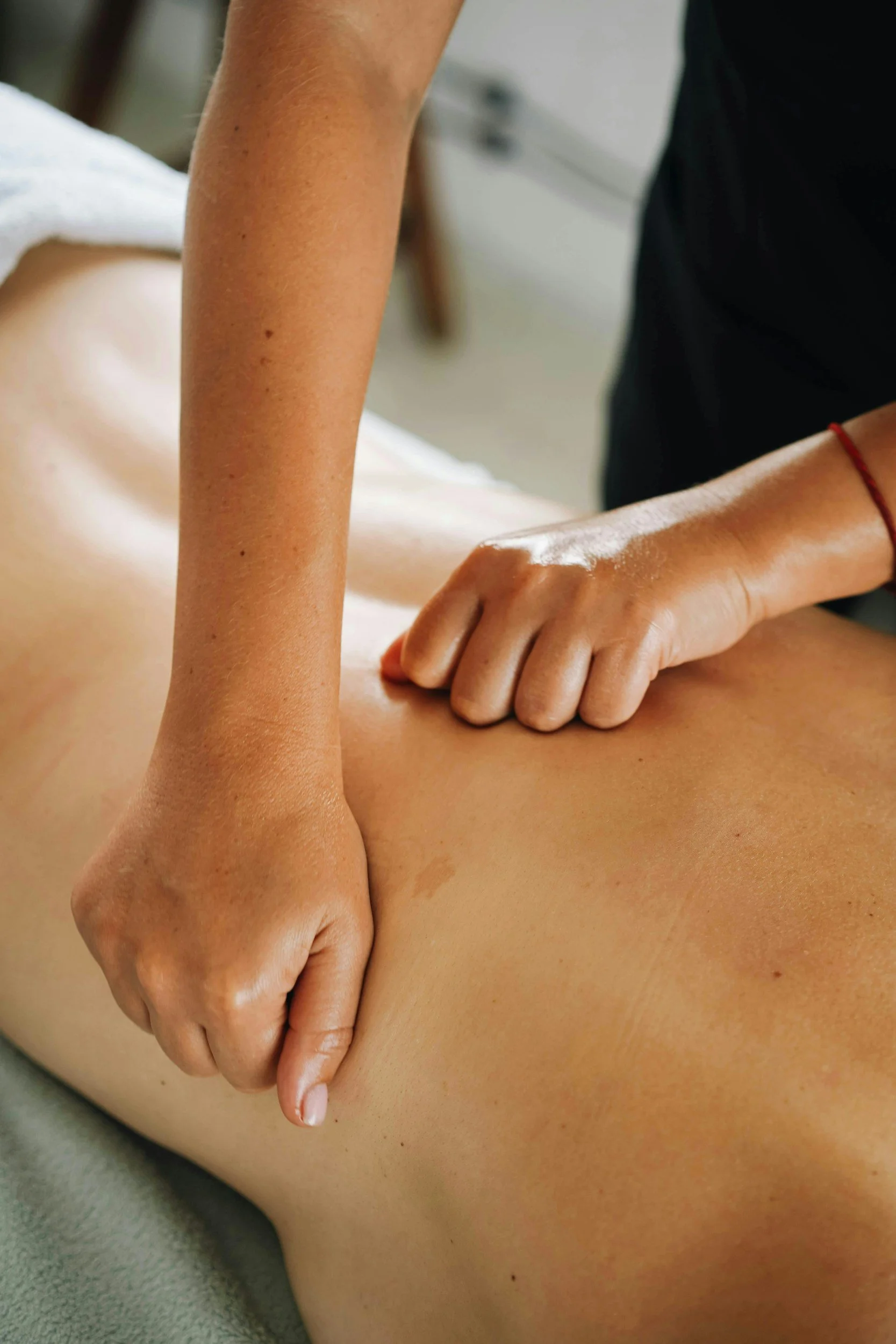
At Gifts of Healing, Gailey Westlund and our therapists approach Session One with a clear intention: to create space where space has been lost. By working the superficial fascia of the ribcage, releasing restrictions across the chest, and opening the lateral structures that connect the ribs to the spine and pelvis, we begin to restore the mechanical freedom the diaphragm needs to do its job.
This is not a forceful “cracking” or aggressive poking. Structural Integration uses slow, deliberate pressure to coax the fascia back toward its natural length and resilience. As the connective tissue around the ribcage releases, clients often report an immediate sensation of being able to breathe “into their back” or “down to their belly” for the first time in years. It is a subtle but profound shift: the body remembers how to breathe naturally.
Why the Diaphragm Matters
The diaphragm is the primary engine of respiration. When it contracts, it descends toward the abdomen, creating negative pressure that draws air into the lungs. For this to happen efficiently, the ribcage must be able to expand in three dimensions: forward, sideways, and even slightly backward. The pelvis must provide a stable base. The lumbar spine must maintain its natural curve. The shoulders must rest in a neutral position rather than being held rigidly as accessory breathing muscles.
When any one of these elements is locked in fascial tension, the entire system compensates. The diaphragm becomes a secondary player, and the scalene muscles in the neck, the pectorals in the chest, and the upper trapezius muscles take over. These muscles are not designed for constant respiratory duty, so they fatigue, tighten, and refer pain into the head, neck, and arms.
Structural Integration addresses this by treating the body as an integrated whole. In the opening sessions, work on the ribcage is paired with attention to the pelvis and lower back because the breath cannot be free if the foundation is unstable. As the series progresses, deeper layers of fascia are addressed, including the tissue that organizes the spine and the connections that link the ribcage to the legs and feet. By the end of the 10-Series, the breath has room to move through a body that is aligned from crown to sole.
The Ripple Effects of Open Breathing
Restoring natural breathing is not just about getting more oxygen. It is about shifting the entire nervous system. Shallow, upper chest breathing is associated with the sympathetic “fight or flight” state. Deep, diaphragmatic breathing engages the parasympathetic “rest and digest” response. When Structural Integration opens the ribcage and the breath deepens, clients often notice that their sleep improves, their mental chatter quiets, and their capacity to handle stress expands.
This is one reason why Structural Integration pairs so naturally with the other therapeutic modalities offered at Gifts of Healing. Deep Tissue Massage can address the chronic muscle tension that develops after years of compensatory breathing. Myofascial Release offers additional techniques for unwinding fascial restrictions in the chest and abdomen. Connective Tissue Massage supports the broader goal of creating a body that moves as a unified, fluid system. Even Sports Massage, often associated with athletic performance, can be invaluable for clients who need to retrain their breathing patterns for endurance activities like running, swimming, or cycling around the Minnesota lakes.
Who Benefits from Ribcage-Focused Structural Integration?
The short answer is: almost everyone. We work with weekend warriors whose cycling posture has locked their chests closed. We work with seniors whose decades of gravity-induced compression have gradually reduced their lung capacity. We work with trade workers, teachers, and office professionals whose daily demands create repetitive postural strain. We work with athletes who need every breath to count.
If you have noticed that your shoulders are perpetually tight, that you sigh frequently, that you hold your breath when concentrating, or that you simply cannot take a satisfying deep breath no matter how hard you try, your ribcage fascia is likely involved. These are not issues you have to accept as normal. They are structural patterns that can be changed.
What to Expect at Gifts of Healing
Located in Bloomington, MN, Gifts of Healing is a therapeutic massage and structural integration practice committed to helping people eliminate pain and enjoy their lives through skilled bodywork. Gailey Westlund, owner and operator, brings years of experience and a gifted healing presence to every session. Our therapists understand that no two bodies are the same, and we tailor our approach to meet you where you are.
If you are new to Structural Integration, we typically recommend starting with the first three sessions to experience how the work opens the breath, stabilizes the pelvis, and begins to organize the deeper core. Many clients choose to continue through the full 10-Series, while others integrate Structural Integration sessions with Therapeutic Massage, Deep Tissue work, or Myofascial Release on an ongoing basis. There is no single right path; only the path that supports your body’s return to balance.

Breathe Better, Live Better
Breathing is the most fundamental movement you make. It happens twenty thousand times a day. When it is restricted, every other system in the body works harder. When it is free, everything else gets easier.
Structural Integration offers a direct, intelligent pathway back to natural breathing by addressing the fascial restrictions that cage the ribcage. It is not about forcing a new habit. It is about removing the structural obstacles so that deep, easy breathing becomes the default once again.
If you are ready to feel the difference that an open ribcage can make, we invite you to schedule a consultation at Gifts of Healing Inc. in Bloomington, MN. Let us help you take the first breath of a more aligned, more comfortable life.
Gifts of Healing Inc. offers Therapeutic Massage, Structural Integration, Deep Tissue Massage, Myofascial Release, Sports Massage, Connective Tissue Massage, and Neuromuscular Techniques in Bloomington, MN. Contact us today to learn which modality is right for you.