Stronger Steps: How Massage for Seniors Supports Balance, Mobility, and Fall Prevention
Massage for seniors can play a meaningful role in keeping older adults steadier on their feet by easing pain, improving joint mobility, and supporting the nervous system’s sense of balance. When it is customized for aging bodies, as you do at Gifts of Healing, it becomes a gentle, practical tool in a broader fall prevention plan.
Why Falls Matter So Much for Seniors
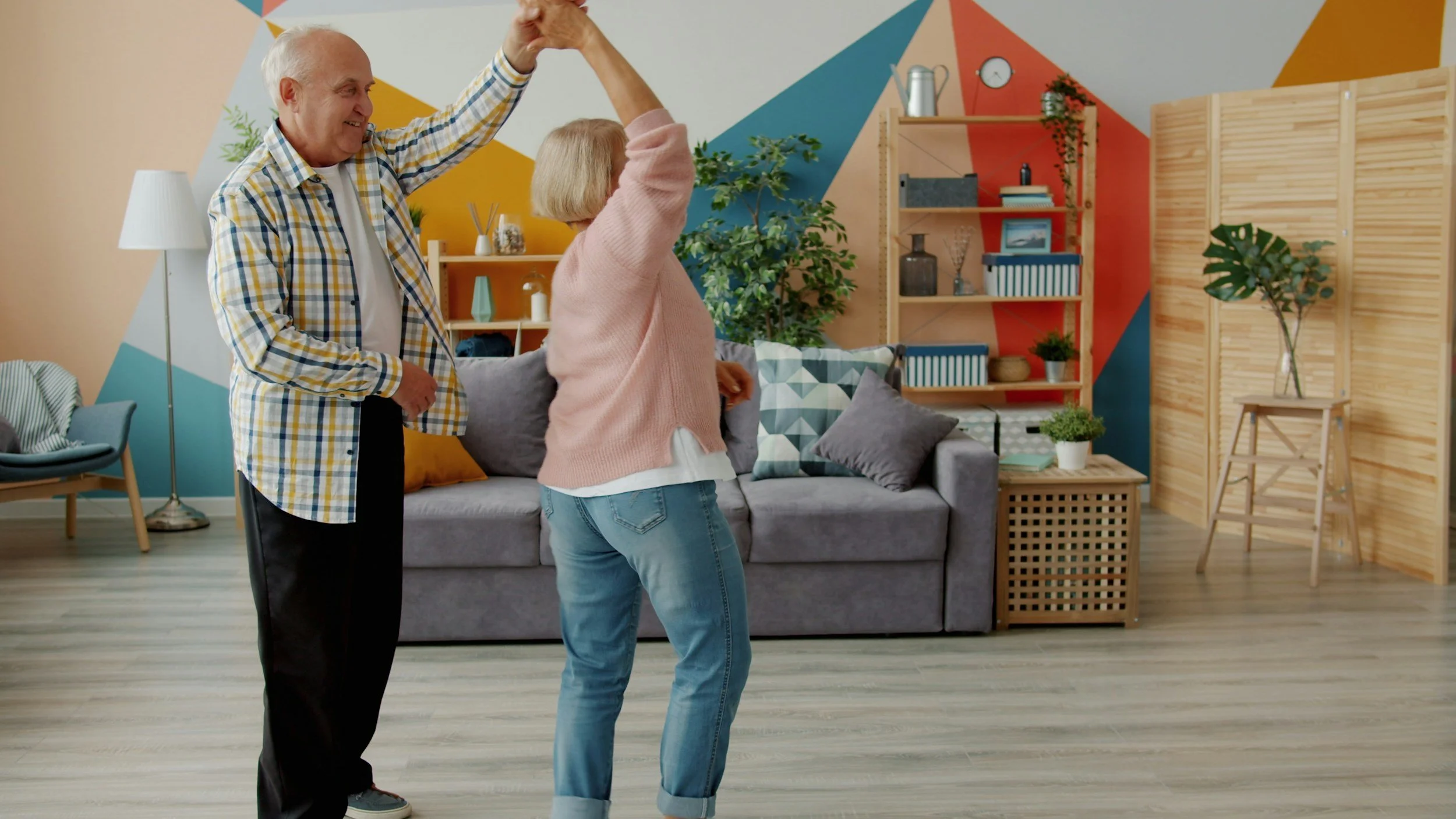
Falls are the leading cause of injury for adults 65 and older, and about 1 in 4 older adults reports falling each year. Beyond broken bones or head injuries, a serious fall often leads to loss of independence, reduced confidence, and a long recovery that affects the entire family.
Many of the risk factors behind falls are at least partly modifiable: lower body weakness, balance deficits, joint pain, vision changes, certain medications, and unsafe home environments. That is why an effective fall prevention strategy usually includes several components: medical review, strength and balance exercises, home safety changes, and supportive therapies like massage.
How Aging Changes Balance and Mobility
As the body ages, muscles naturally weaken, ligaments lose elasticity, and joints often become arthritic or stiff. These changes make it harder to catch yourself if you trip, step off a curb, or turn quickly in the kitchen. The result can be shorter steps, slower walking, and a tendency to shuffle, all of which actually increase fall risk.
Circulation often slows with age, and conditions like arthritis, old injuries, or post operative scar tissue can further limit motion and confidence. Pain and stiffness lead many older adults to move less, which accelerates loss of strength and balance, a frustrating cycle that massage can help interrupt.
What Makes Massage for Seniors Different
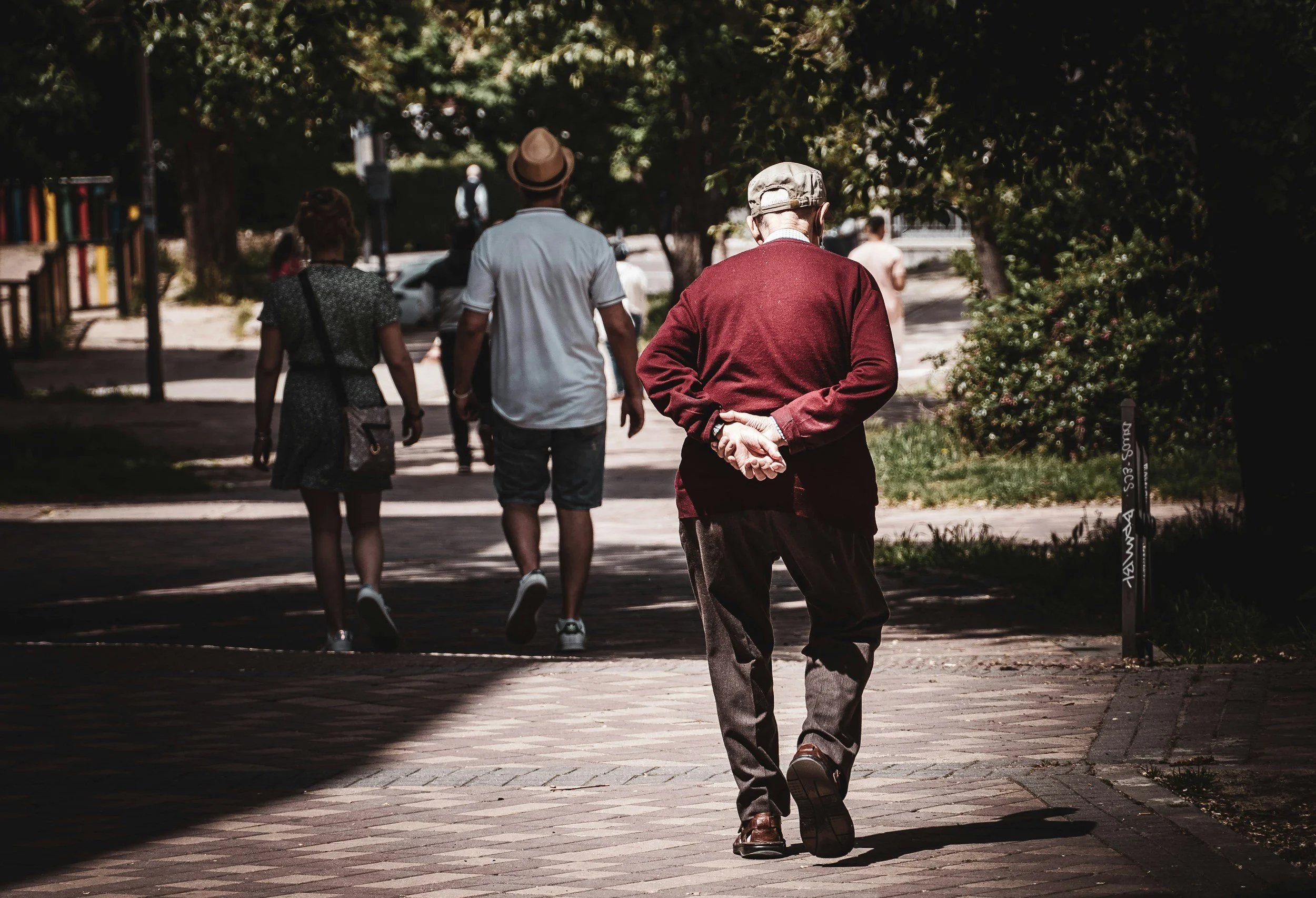
Massage for seniors is not just regular massage with lighter pressure. At Gifts of Healing, senior sessions adapt techniques to respect thinner skin, fragile tissues, joint replacements, and complex health histories. Pressure is typically light to medium, strokes are slower, and body positioning is carefully adjusted to avoid strain or dizziness.
Sessions may happen fully on the table, partially seated, or with extra bolstering and support under the neck, knees, or lower back to keep the body comfortable. Communication is also more frequent. Your therapist checks in about comfort, temperature, and any new medical changes so every visit feels safe and predictable.
Easing Pain to Support Safer Movement
Chronic pain from osteoarthritis, rheumatoid arthritis, fibromyalgia, or old injuries is common in older adults and often becomes a major driver of reduced activity. Gentle, targeted massage can reduce muscle guarding around painful joints and soften tight fascia so movement feels less risky and more accessible.
When pain levels drop even a notch or two, many seniors find they can walk a little farther, stand a little longer, or return to simple daily tasks like gardening or grocery shopping. That small increase in daily movement helps maintain leg strength and balance, two of the most important factors in preventing falls.
Improving Joint Mobility and Flexibility
A stiff ankle that does not flex fully, a hip that does not rotate, or a lower back that refuses to bend can all throw off balance during routine movements. Massage for seniors uses slow, rhythmic techniques to warm tissues and increase circulation around joints, making them feel more oiled and responsive.
Over time, regular sessions can help loosen old scar tissue and adhesions while reducing swelling in hands and feet from conditions like lymphedema. Improved joint mobility not only makes dressing, bathing, and stair climbing easier, it also gives the body a better range of motion to correct a misstep before it becomes a fall.
Supporting Balance Through the Nervous System
Balance is not just about muscles and joints. It is also about how the nervous system processes signals from the eyes, inner ear, and body. Massage activates the body’s parasympathetic, or rest and digest, response, lowering stress hormones and calming an over alert nervous system.
For seniors who feel anxious about falling, or who move in a constant state of bracing, this nervous system reset can be powerful. A calmer body organizes movement more efficiently, while improved body awareness helps clients notice how they are standing, shifting weight, or turning, so they move with more intentional control.
Circulation, Swelling, and Foot Health
Healthy circulation is essential for strong, responsive legs and feet. Massage helps encourage blood flow and lymphatic movement, bringing warmth and nutrients to tissues while helping move excess fluid out of swollen areas. Seniors dealing with swelling in the hands and feet often notice increased comfort and range of motion after gentle massage focused on these regions.
Feet, in particular, are critical for balance. When the feet are painful, numb, or chronically tight, seniors may change the way they walk, which increases tripping risk. Focused work on the calves, ankles, and feet can restore some mobility, make supportive footwear more comfortable, and help clients feel more confident when they step.
Emotional Confidence and Fear of Falling
After a fall, or even after seeing a friend fall, many older adults become understandably cautious. That fear of falling often leads to moving less, staying home more, and avoiding activities they once enjoyed. Unfortunately, this reduced activity weakens muscles and balance, which can actually raise fall risk over time.
Massage offers a safe, supportive environment where seniors receive positive touch, reassurance, and time to reconnect with their bodies. Many clients report feeling more relaxed, grounded, and optimistic after a session, which can make it easier to resume gentle exercise, attend balance classes, or simply walk with more ease in daily life.
How Massage Fits into a Fall Prevention Plan
Massage is most effective for fall prevention when it works alongside other supports rather than replacing them. Evidence based programs encourage providers to screen older adults for fall risk and address modifiable factors like lower body weakness, medications, and home hazards. In that context, massage becomes a practical partner to physical therapy, exercise classes, and home safety modifications.
For example, while a physical therapist might design specific strength and balance exercises, massage can help reduce soreness and muscle tension so seniors feel comfortable sticking with their program. Likewise, when a physician adjusts medications that cause dizziness or low blood pressure, massage can support better sleep and stress management so the body can adapt more smoothly to change.
What a Senior Massage Session Looks Like at Gifts of Healing
At Gifts of Healing in Bloomington, a typical massage for seniors begins with a clear conversation about health history, medications, joint replacements, and mobility limitations. Your therapist will ask what daily activities feel hardest, such as getting out of a chair, climbing stairs, or walking on uneven ground, and design the session with those real world goals in mind.
Sessions use light to medium pressure and may focus on the neck, shoulders, lower back, hips, knees, and feet, the key regions that affect gait and balance. Positioning is always adjusted for comfort, with extra cushions or bolsters as needed, and the pace is deliberately unhurried so clients never feel rushed when turning over or sitting up.
How Often Should Seniors Get Massage
Fall prevention relies on consistency more than intensity. Many seniors benefit from starting with sessions every 2 to 4 weeks to address pain, stiffness, and circulation, then adjusting frequency based on how they feel. Some may choose to align massage with other appointments or exercise classes so the body receives regular support without overwhelming the schedule.
Because each person’s health picture is unique, your therapist will collaborate on a plan that fits with medical advice and energy levels. The goal is not just to feel better on the table, but to move more confidently in daily life, whether that means walking the dog, attending church, or playing with grandkids.
Tips for Seniors and Caregivers Considering Massage
If you or a loved one is thinking about adding massage to a fall prevention plan, a few simple steps can make the experience safer and more effective:
Talk with your doctor, especially if you have complex medical conditions, blood thinner medications, or recent surgeries, and bring any guidance to your therapist.
Share a complete list of medications and health concerns at your first appointment, and update your therapist if anything changes.
Plan sessions on days that are not overloaded with other demanding activities so you can rest afterward and notice how your body responds.
Wear comfortable clothing and supportive shoes to and from your appointment so it is easier to move safely when you get up from the table and walk out to your car.
Caregivers can help by assisting with transportation, reminding loved ones to drink water after sessions, and encouraging light, safe movement in the hours and days that follow.
Taking the Next Step Toward Stronger Steps
Stronger, steadier steps in later life rarely come from a single change. They come from a series of thoughtful choices that respect the realities of aging while honoring a person’s desire to stay active and independent. Massage for seniors fits naturally into that picture by easing pain, improving joint mobility, and supporting both physical and emotional confidence.
If you or someone you care about is beginning to worry about balance or has already experienced a fall, exploring senior focused massage at a practice that understands aging bodies can be a smart, compassionate next step. Combined with medical care, targeted exercise, and a safer home environment, this kind of touch can help older adults keep doing what matters most, on their own two feet.