The Root of the Ache: How Neuromuscular Massage Finds and Releases the Trigger Points Behind Chronic Pain
There is a particular kind of pain that does not make sense at first. You feel it in your shoulder, but nothing happened to your shoulder. You feel it in your lower back, but you did not lift anything. You press on the spot that hurts, and it is tender, but the ache also seems to travel somewhere else, radiating down the arm or wrapping around the hip in a way that is hard to explain to anyone who has not felt it.
At Gifts of Healing in Bloomington, MN, this is one of the most common stories we hear. And more often than not, the answer is not where the pain is. It is somewhere nearby, quietly holding a pattern in place. That is exactly the territory neuromuscular massage is built to work in.
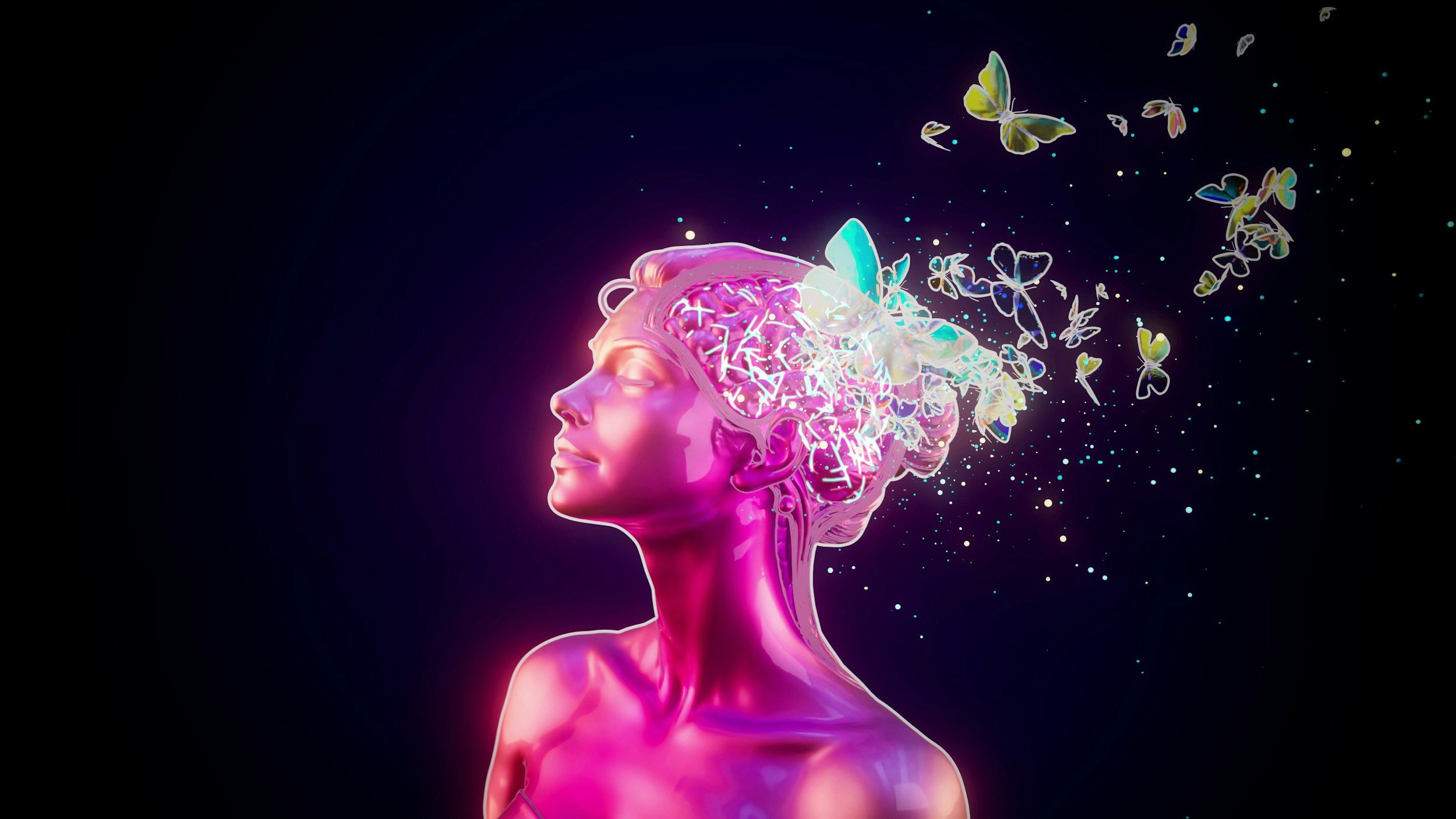
What Neuromuscular Massage Actually Does
Neuromuscular massage, sometimes called neuromuscular therapy, is one of the eight therapeutic bodywork modalities we offer under one roof. It is a precise, targeted approach that focuses on the relationship between your nervous system and your muscles, rather than working the whole body in broad, general strokes.
The central idea is simple to describe and remarkable to experience. When a muscle is overworked, injured, or held in a poor posture long enough, small sections of it can become locked in a state of partial contraction. These knots, known as trigger points, do not release on their own. They keep firing signals to the nervous system, and the nervous system keeps the surrounding area tight in response. It becomes a loop that feeds itself.
Neuromuscular work interrupts that loop. Using slow, specific, sustained pressure applied directly to the trigger point, the therapist gives the nervous system the input it needs to finally let go. The muscle softens, circulation returns to the area, and the pain signal quiets down. It is detailed, methodical work, and it is very different from a general relaxation session.
Why the Pain Is Rarely Where You Think
One of the most surprising things clients learn during a neuromuscular session is that trigger points refer pain. That means a knot in one muscle can create a felt ache in a completely different part of the body.
A trigger point in the muscles of the upper back and neck can send pain into the head and behind the eyes, which is why so many tension headaches respond to this work. A trigger point deep in the hip can create a burning sensation down the leg that mimics other conditions entirely. A knot in the forearm can produce aching in the wrist and hand.
This is the reason chasing the pain almost never works. Rubbing the spot that hurts can feel good for a moment, but if the source is a trigger point somewhere upstream, the ache returns as soon as you stop. A trained neuromuscular therapist maps the pattern, finds the true source, and works there. That is what makes lasting relief possible.
The Summer Patterns We See Most
Minnesota summers are short, and most of us try to make the most of every warm week. That enthusiasm has a cost, and by July we tend to see a familiar set of complaints walk through the door.
The gardener whose lower back and hips have seized up after weeks of bending, kneeling, and hauling bags of soil.
The weekend athlete who ramped up too fast on the trails or the tennis court and now has a shoulder or knee that will not settle.
The homeowner deep into a summer project, whose forearms and neck are paying the price for hours of painting, sanding, or overhead work.
The parent who has spent the season lifting kids in and out of the lake, the car, and the pool, and whose upper back has quietly locked up.
What all of these have in common is repetitive strain. The same movement, done over and over, gradually recruits muscles into holding patterns they were never meant to sustain. Trigger points form, referral pain spreads, and the body starts to feel older than it is. Neuromuscular massage is one of the most effective tools we have for unwinding exactly this kind of accumulated, activity-driven tension.

What a Session Feels Like
Neuromuscular therapy is focused work, and honesty about that matters. When the therapist locates an active trigger point and applies pressure, you will often feel a sensation that is tender and satisfying at the same time. Many clients describe it as a good hurt, the kind that clearly corresponds to the problem and eases as the muscle releases.
Communication is part of the process. Gailey works with you throughout the session, adjusting pressure and checking in, because your feedback is what confirms she is on the right spot. Sessions are tailored to your body and your specific complaint, not run from a template. Some areas release quickly, while long-standing patterns may take more than one visit to fully resolve.
It is not unusual to feel noticeably lighter and more mobile when you sit up, followed by a day or two where the treated muscles feel worked, similar to the pleasant soreness after a good workout. Drinking water and moving gently afterward helps the body settle into its new, freer pattern.
The Training Behind the Work
Precise work requires precise training. Gailey brings more than twenty six years of experience and over 1,400 hours of formal education to every session, including advanced study in corrective muscle therapy and clinical evaluation through Myosequence, along with her background in structural integration and myofascial mobilization.
That clinical foundation is what allows her to work intuitively, moving from modality to modality on the fly. In a single session she may combine neuromuscular technique with connective tissue work or deep tissue pressure, depending on what your body is asking for in the moment. The goal is always the same: to find the true root of the ache and give your nervous system permission to release it.

When Neuromuscular Massage Is the Right Choice
This modality is especially well suited for you if you are dealing with:
Chronic pain that keeps returning to the same spot no matter what you try.
Tension headaches that seem to start in the neck and shoulders.
Pain that radiates or refers, such as an ache that travels down an arm or leg.
Repetitive strain from work, sport, gardening, or a summer project.
Old injuries or postural patterns that have quietly settled in over the years.
If your pain is more about general stress and you simply need to unwind, a relaxation session may serve you better. If you are looking for a whole body reorganization of your posture and structure, structural integration or our 10-series may be the right path. When you are not sure, we are always happy to talk it through and point you toward the modality that fits.
Find the Source, Not Just the Symptom
Pain that lingers is not something you have to accept as part of getting older or part of staying active. Very often it is a pattern, and patterns can be released. Neuromuscular massage is designed to find the root of the ache, quiet the signal at its source, and give you back the easy, pain free movement that makes a Minnesota summer worth enjoying.
If you are ready to stop chasing the pain and start addressing where it actually comes from, we would love to help.
Gifts of Healing
2120 W Old Shakopee Rd #3
Bloomington, MN 55431
(952) 948-0420
Gailey@giftsofhealinginc.com
Book your session today at giftsofhealinginc.com.