Race Week to Recovery Day: A Sports Massage Timeline for Runners and Triathletes
If you are a runner or triathlete, you already know that race results are shaped long before the starting horn sounds. Your training plan matters. Your sleep matters. Your nutrition matters. And if you want your body to feel strong, responsive, and ready to perform, your recovery plan matters too. At Gifts of Healing, sports massage is not treated like an occasional luxury. It is used as a practical tool to help active people improve performance, recover faster, and stay more consistent in training.
One of the biggest mistakes endurance athletes make is waiting until they are injured, exhausted, or deeply sore before thinking about bodywork. By then, the body is already compensating. Tight calves change stride mechanics. Locked up hips alter posture. Fatigued shoulders affect breathing and arm swing. For triathletes, the problem can be even more layered because swimming, cycling, and running each place different demands on the body. Sports massage helps address those demands on a timeline that supports performance before the event and recovery after it.
At Gifts of Healing, sports massage is tailored to the individual athlete and the sport. Our sports massage approach is rooted in Chinese sports massage and may include acupressure, Tuina techniques, and stretching, all applied according to what the body needs and where the athlete is in the training cycle. The key point is simple. Timing matters. A session that helps you three days before a race is different from the session your body needs the day after finishing one.
Why Timing Matters for Sports Massage
Sports massage is different from a general relaxation session because it is goal driven. The purpose is not only to help you feel good in the moment. It is to help your muscles perform better, your joints move more efficiently, and your recovery happen more smoothly. At Gifts of Healing, sports massage is administered on a very specific timeline to optimize athletic performance, especially for runners and triathletes.
That timing matters because your body changes across race week. Early in the week, you may still be carrying muscle tension and training fatigue from your last hard workouts. One or two days before the race, you want to feel loose and ready, but not sore or overly worked. On race day, your system needs to feel awake and coordinated. Then after the event, your body shifts into repair mode. The right style of massage at the right time can support each of those phases.
A good sports massage timeline also helps reduce the urge to do too much too late. Many athletes panic in race week. They try new stretches, add extra foam rolling, or book a deep session the day before a race hoping to fix something. Usually that backfires. Race week is about sharpening, not overcorrecting. Massage works best when it complements the taper instead of fighting it.
The Training Phase Before Race Week
The best race week massage plan actually begins before race week. During your main training block, sports massage can be used as maintenance care to keep your tissues moving well and reduce the buildup of tension that can lead to altered mechanics or overuse problems. Regular sports massage helps identify which areas are starting to overload before they become a bigger issue.
For runners, this often means paying close attention to calves, hamstrings, hip flexors, glutes, and lower back tension. For triathletes, the picture is broader. Swimmers often develop tight lats, pecs, neck muscles, and shoulders. Cyclists may deal with hip tightness, quad fatigue, and low back tension. Runners commonly battle calf, Achilles, hamstring, and IT band related strain patterns.
This phase is also when deeper or more corrective work makes the most sense. If you have stubborn restrictions, limited range of motion, or chronic tightness, those issues are usually best addressed in the weeks before your event, not the day before it. During higher volume training, the body has enough buffer time to adapt to deeper tissue work and incorporate the gains in mobility or tissue quality.
Three to Four Days Before the Race
For many athletes, this is the sweet spot for the last more substantial pre race session. If your race is on Saturday, a thorough sports massage on Wednesday can help prepare the muscles for race day. This timing is useful because it gives the body enough time to absorb the work while still creating a sense of freshness heading into the event.
A session at this point may focus on reducing residual tightness from peak training, improving circulation, and helping the body move more freely. It is not the time for aggressive work that leaves you tender. Instead, it should feel purposeful and strategic. The goal is to clear out lingering restrictions, encourage healthy tissue response, and support your taper.
This is also when communication matters most. Your therapist should know exactly what event you are preparing for, when race day is, and what your body has been feeling during training. A triathlete preparing for an Olympic distance race may need different emphasis than a marathoner or a runner doing a fast 10K. A good pre race massage is always customized to the athlete, the sport, and the point in the training cycle.
Two Days Before the Race
Once the final substantial session is complete, your job shifts toward recovery and preservation. This is a good day to focus on hydration, gentle walking, mobility you already know works for you, and staying off your feet when possible. You are not trying to gain fitness now. You are trying to arrive at the starting line with the least amount of unnecessary tension and fatigue possible.
If you had a well timed sports massage earlier in the week, your body is already doing the work of resetting. This is not the time to experiment with new bodywork or major changes. Instead, treat it as a quiet day where you let taper and recovery do their job.
Mentally, this is also a good point to notice how your body feels without overanalyzing every little sensation. Race week nerves can make normal tightness feel alarming. Massage can help calm that cycle by reducing overall nervous system tension and helping you feel more connected to your body rather than worried about it.
One Day Before the Race
The day before the race is often reserved for a short run or workout that acts like a mini wake up session. It helps the muscles stay coordinated and begin refueling with fresh fuel. This fits well with what many runners and triathletes already do during taper, which is a short shakeout session to stay tuned up and avoid feeling flat.
If massage is used on this day, it should be very light and very intentional. This is not the time for deep pressure. A short session or focused work may help encourage circulation and reduce nervous tension, but you should leave feeling more energized, not drained. Think of it as a tune up, not a repair session.
This is especially helpful for triathletes who often carry race eve tension in the neck, shoulders, hips, and calves. Even when training is complete, the body may still hold stress from travel, gear prep, or pre race nerves. Light work can help settle that tension without interfering with race readiness.
Race Day
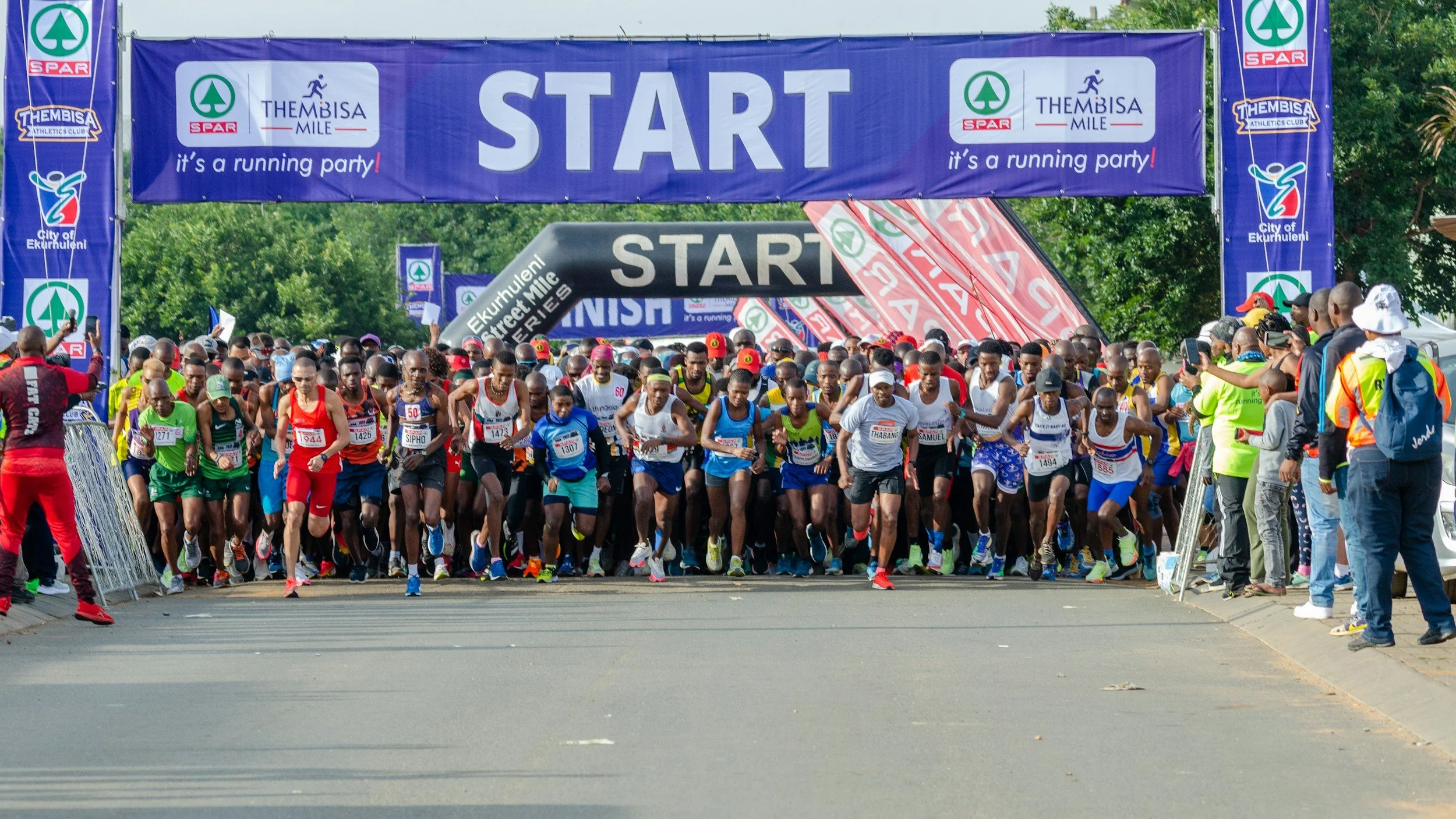
On race day, the goal is simple. You want your body to feel primed and ready to go. When you have followed a thoughtful sports massage timeline, your muscles are more likely to feel organized, mobile, and ready to perform. That is the value of good timing. You are not trying to create a miracle on race morning. You are setting up better conditions for the body to do what it has already trained to do.
For runners, that can mean smoother stride mechanics, easier turnover, and less stiffness in the opening miles. For triathletes, it can mean a body that transitions more smoothly across swim, bike, and run demands. Race nerves may still show up, but your body should feel more coordinated and less weighed down by residual training fatigue.
Sports massage is not a substitute for training, warm up, nutrition, or pacing. It is part of a bigger system. Used correctly, it supports those other elements by helping your tissues move better and recover more predictably.
Recovery Day and the First 24 to 48 Hours
Many athletes focus so intensely on race week that they neglect the recovery window right after the event. That is a missed opportunity. A smart sports massage timeline includes a post race session and stretching within the first day or two to help move waste products out of the muscles and help you feel better faster.
This stage is different from pre race massage. The body is no longer being prepared for peak output. It is being supported through repair. Muscles may feel inflamed, heavy, crampy, or generally beaten up. The right post race session meets the body where it is. Sometimes that means gentler flushing work, mobility support, and focused attention to the areas that took the biggest load during the event.
For runners, the main trouble spots are often calves, quads, hamstrings, hips, and feet. For triathletes, recovery work may also need to include shoulders, upper back, hip flexors, and lower back depending on the course and race duration. The goal is to reduce the sense of shutdown and help you return to normal movement more comfortably.
The Week After the Race
The week after a race is when a lot of athletes make another mistake. They either jump back into training too fast, or they do nothing helpful for recovery besides sitting still and hoping soreness disappears. In reality, this is a smart time for strategic follow up bodywork, especially if the race exposed imbalances that had been hiding during training.
A follow up sports massage session can help identify what tightened up the most, what areas compensated, and where your body may still be guarding. Sometimes post race soreness is normal tissue fatigue. Sometimes it reveals a movement restriction or overload pattern that should be addressed before the next training cycle starts. Massage can help you recover, but it can also give you feedback about what your body has been trying to tell you.
If you are a triathlete with several events in a season, or a runner stacking multiple races across the year, recovery has to be planned just as seriously as training. Consistent sports massage can support that longer term approach by improving recovery quality between training blocks and events.
How Runners and Triathletes Benefit Differently
Runners and triathletes share many tissue stress patterns, but they do not always need the same emphasis. Runners often need more concentrated work on repetitive impact areas. Calves, plantar structures, hamstrings, glutes, and hip stabilizers often take the most abuse, especially in higher mileage training. Because running is so repetitive, even small restrictions can affect stride and efficiency over time.
Triathletes, on the other hand, often present with more full body complexity. Swim training can load the shoulders, chest, and upper back. Cycling can tighten the quads, hip flexors, and lower back. Running adds impact fatigue on top of that. The advantage of sports massage in this setting is that it can be adapted to the dominant stressors of the current training block or the specific race you are preparing for.
That is why a timeline approach works so well. It respects the fact that the body is not static. Your needs change from peak training to taper, from race morning to recovery day, and from one sport emphasis to another.
Getting the Most Out of a Sports Massage Session
A few practical habits help athletes get better results from each session. Hydrate well. Communicate your goals clearly. Schedule sessions based on activity timing. Use massage consistently rather than randomly. Those basics sound simple, but they make a real difference.
The more clearly you communicate, the better your session can be customized. Tell your therapist what race you are training for, what phase of training you are in, where you feel tension, and whether the goal is preparation, maintenance, or recovery. A therapist can do much better work when the session is tied to a clear purpose.
Consistency matters too. One massage right before a major event can help, but a more effective approach is to build massage into your training season. That way, your body is not meeting bodywork only when things have already become irritated. It becomes part of your performance system, not an emergency tool.
Training Hard Is Only Half the Equation
Endurance athletes are usually good at pushing through discomfort. That trait helps in training and racing, but it can also make people ignore the signals that recovery needs more attention. Sports massage helps fill that gap. At Gifts of Healing, it is positioned as a way to improve athletic performance, speed post event recovery, support soreness at the beginning of the season, and help the body heal faster after injury.
The bigger lesson is that race success is not only about how hard you train. It is also about how well your body absorbs training, how efficiently you taper, and how thoroughly you recover. A smart sports massage timeline helps support all three. For runners and triathletes, that can mean arriving at the start line looser, recovering faster afterward, and staying healthier across the entire season.